Freed from the old stigma, doing things alone has become a source of pride, something young Koreans love to share and show off
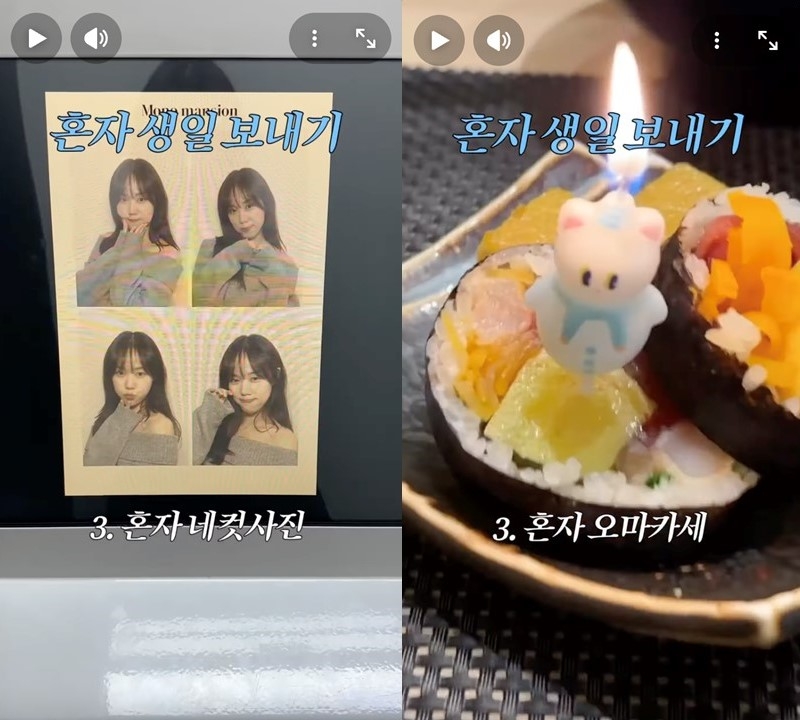
Would you flaunt a birthday spent alone?
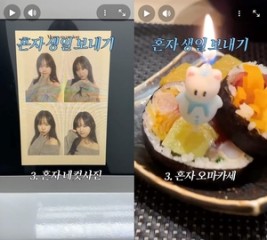
An 11-second YouTube clip, titled “How to Spend Your Birthday Alone,” does exactly that, and has struck a chord with like-minded viewers on YouTube.
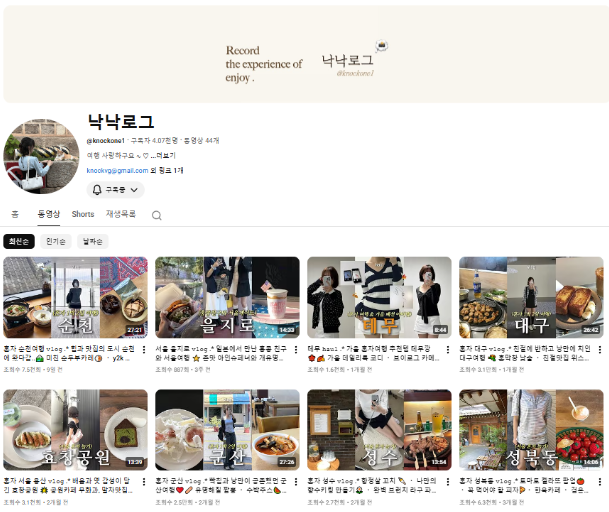
The video has become one of the most beloved and defining pieces of content on the channel Naknaklog, showing the creator celebrating her birthday solo, cueing up a message from a favorite celebrity, treating herself to an extravagant round of charcoal-grilled delicacies and omakase, dressing up for a perfect photo-booth shot, and lingering in a cozy cafe to round out the day.
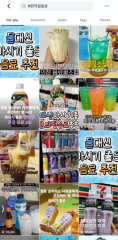
It belongs to a rising genre in the ever-changing content world, known as the "hon-nolog," a playful mashup of the Korean phrase for “playing alone” (hon-nol) and “vlog.”
“Naknaklog, my channel name, is a combination of the Chinese character for ‘joy’ and the English word ‘log.’ It basically means ‘recording joy,'” the YouTuber explained in a conversation with The Korea Herald.
Her solo life vlog started casually with a trip to Europe and has since expanded into a series of solo-travel clips from various locations, including Busan and Daegu. “Traveling is still my favorite thing to do alone,” she said, adding that it gives her “the freedom to make my own choices and see the world my way.”
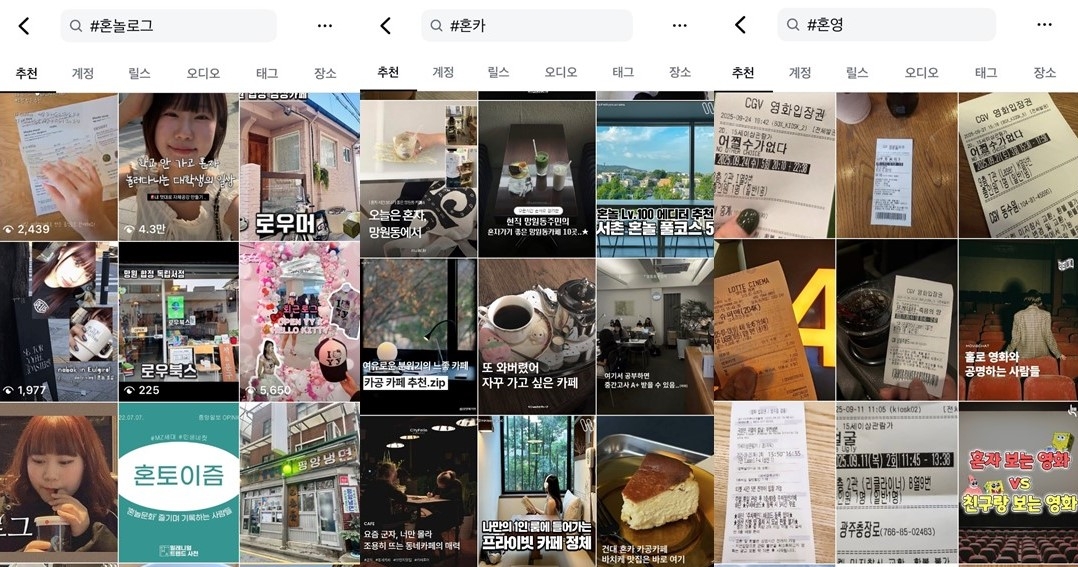
According to big data platform Quetta AI, mentions of hon-nol vlogs have more than doubled from around 5,000 in 2022 to 11,000 in 2024 and continued rising to roughly 16,000 over the past year.
The 'hon-nol' world
Meet Kim Da-yeon, a 20-year-old university student. The social studies education major doesn’t post on YouTube, but she shares daily snippets of her solo moments on Instagram.
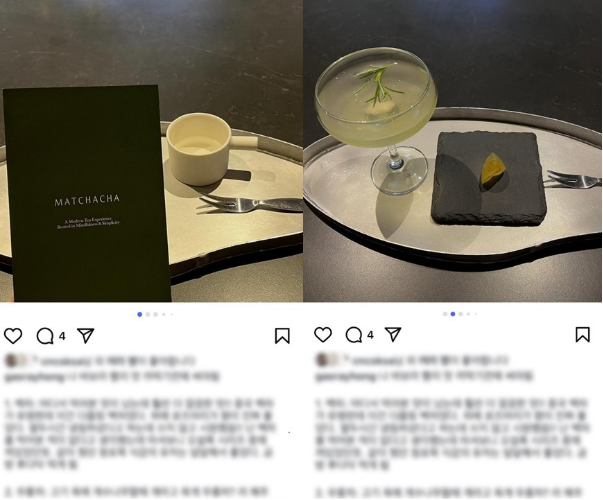
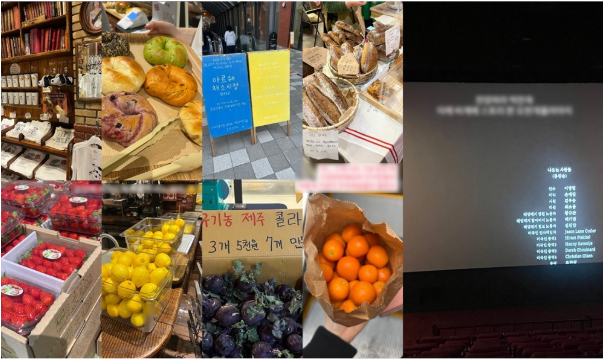
“Recently, I shared on an Instagram Story that I watched the movie 'No Other Choice' by myself. I also shared my solo visit to a reservation-only tea course,” she said, describing the two activities as 'hon-yeong (solo movie viewing) and hon-cafe (visiting a cafe alone)'.
In the hon-nol world, there are subgenres for virtually all the things people can do and enjoy on their own. Each subgenre typically combines the word “hon” (alone) with the activity being done. For example:
Hon-yeong: watching movies alone
Hon-cafe: visiting a cafe alone
Hon-sul and hon-bap mean enjoying a drink (sul in Korean) or a meal (bap) alone.
Kim said her favorite solo activity these days is making “bread pilgrimages" -- that is, checking out popular bakeries and sampling their breads, much like a food tour.
The Korea Herald spoke with several more young Koreans to learn how they spend time alone to hop on this hon-nol bandwagon. Watching movies alone, or hon-yeong, appeared to be the most frequently mentioned activity, while others said they enjoy studying at cafes, reading books, or attending performances by their favorite artists -- of course, alone.
24-year-old Choi Yu-jin's favorite is hon-kono, or singing alone at a coin karaoke.
“I’ve always loved singing, and being able to do it solo is just the best. On stressful days, I make sure to go to a karaoke room by myself,” she said.
Another 24-year-old college student, Yoo Min-ju, said her friends had taken up knitting around the same time, but independently.
“Since a couple of years ago, a lot of my friends have gotten into knitting,” said Yoo. “I even had a friend who left in the middle of hanging out, saying, ‘I need to go buy some yarn!’”
Why alone?
How has doing things alone suddenly become so fashionable, even something to brag about?
“These days, many women in their 20s simply don’t have the time or energy to meet people every day,” Yoo said, offering her perspective on why people her age, commonly called Generation Z, increasingly enjoy spending time by themselves.
She added that being alone no longer feels boring.
"With everything technology offers -- from e-books to hobbies and endless content -- there’s always something to keep us engaged."
Jeong So-ri shared a similar view, saying that hanging out with friends can sometimes feel burdensome. “You have to coordinate schedules, consider their preferences, and if you don’t live close by, there’s the distance to think about too. When you weigh all of that, it just gets exhausting.”
That sense of ease in being alone is something Kim relates to as well.
"I love movies, but when I watch one with someone, even small movements in their seat feel distracting, and I can’t fully immerse myself in the movie," she said.
YouTuber Naknaklog, also Gen Z, said many people around her age avoid forcing themselves into awkward social situations and instead use that time and energy for self-care and recharging, which feels far more rewarding.
“Sure, there’s a thrill in travelling alongside others, but honestly, I don’t want my day to be influenced by someone else’s energy or mood. When I travel solo, it’s all about my own rhythm,” she said.
Focus isn't solitude, it's self-fulfillment
South Korea has seen a steady rise in people living alone, driven by longer life expectancy, changing family structures, low birthrates and other social shifts. Terms like “hon-bap” and “hon-sul” entered common usage years ago and were not particularly tied a specific generation.
According to Statistics Korea’s Population and Housing Census, the number of one-person households increased from about 5.85 million in 2018 to 8.05 million in 2024, now accounting for more than one-third of all households.
As for why Gen Z, in particular, embraced the hon-nol trend, many pointed to the concept of “god-saeng” or living life to the fullest and becoming the best version of oneself.
The term combines the English word “god” and "saeng," the Korean word for “life,” literally meaning “living like a god.” It reflects a focus on self-improvement and productivity, motivating many young people to live a fulfilling life -- alone or not -- and share such moments on social media, inspiring one another through glimpses of well-lived days.
For Yoo, this god-saeng trend is exactly what led her to start filming her hon-nolog while preparing for a national exam.
Studying for the exam meant long hours alone at home. To break the monotony, she began filming herself doing small everyday activities, such as studying, talking to herself and baking, and shared the clips privately on Instagram.
“Posting it on social media feels like stamping the day, almost like giving myself permission to say, ‘Yes, today meant something.’ Sharing it with others makes the day feel acknowledged, and that feeling of validation is what lifts me up.”
Choi said that although some people in the past lived, ate, drank, and enjoyed things on their own, today's hon-nol trend helped erase its stigma -- and for some, even turn it into a point of pride.
“I think things have really changed. Back then, doing something alone made you look kind of ‘anti-social’ or like you didn’t fit in. I always felt like I had to do stuff with someone. But now, people seem to respect alone time more, and being by yourself just feels normal.”

Why flaunt solo moments on social media?
YouTuber Naknaklog said, “While Gen Z seeks genuine personal rest during their downtime, they also want opportunities to connect with people who share similar interests.”
Yoo said hon-nolog content emboldens more people to showcase their solo lifestyles, creating a ripple effect.
“I think hon-nolog content has become a meaningful way for people with similar interests to connect and feel less isolated,” she said. “Now they can find one another more easily.”
Kim said, “Seeing so many people enjoying solo activities online, it almost feels like knowing how to have fun alone has become overrated -- like it’s trendy or ‘cool.’"
Jeong said she has always seen spending time alone as something natural rather than unusual. “Honestly, I’ve never had a negative view of being alone -- it’s always felt natural to me,” she said. “But these days, with so much hon-nolog content out there, I sometimes find myself living vicariously through it. Since starting college, I’ve also gotten used to eating alone near campus, and it just feels more comfortable now.”
Kim said she feels that seeing others’ curated, seemingly highly-productive lives on social media can create pressure to keep up, fueling constant comparison and anxiety.
“All those posts about busy lives, exhibitions and movies with that flawless ‘Insta aesthetic’ can make you feel like you have to do the same, and it can be exhausting,” she said.
Yoo said, “People who enjoy being alone have always existed, but media and technology have only recently brought them into the spotlight. Most mainstream content still focuses on couples, and while hon-nolog content is on the rise, it’s unlikely to dominate.”