For many young Koreans, dating now inspires indifference rather than avoidance
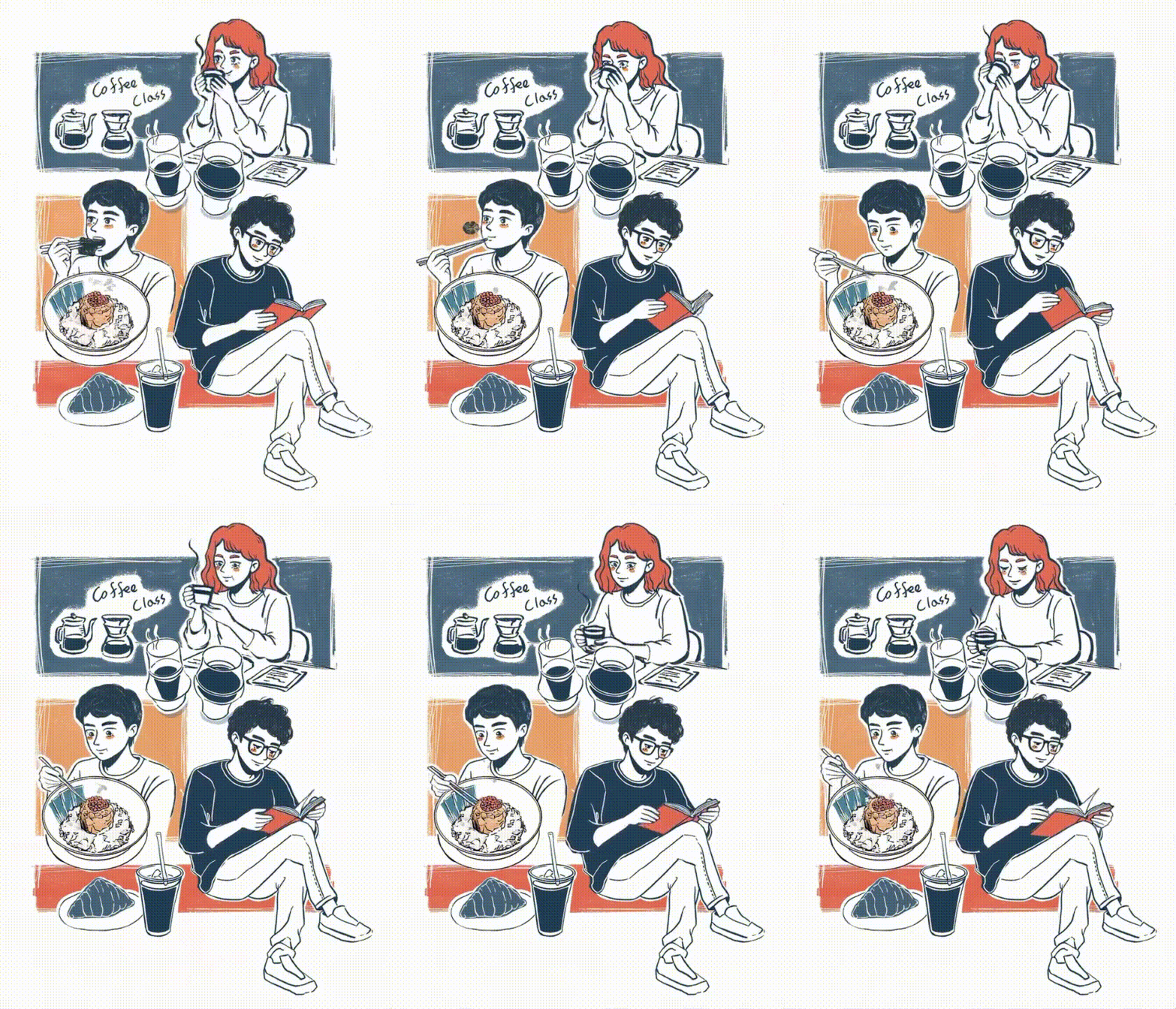
Han, a 30-year-old freelancer in Seoul, has been single for two years after ending a long-term relationship. Unlike many of her friends, she does not spend her evenings scrolling through dating apps or going on blind dates arranged by acquaintances.
She is not opposed to relationships, nor does she identify as someone who rejects marriage altogether.
“I just don’t think about dating much anymore,” she said. “Not because I made a conscious decision to stop, but because it simply stopped being something I cared much about.”
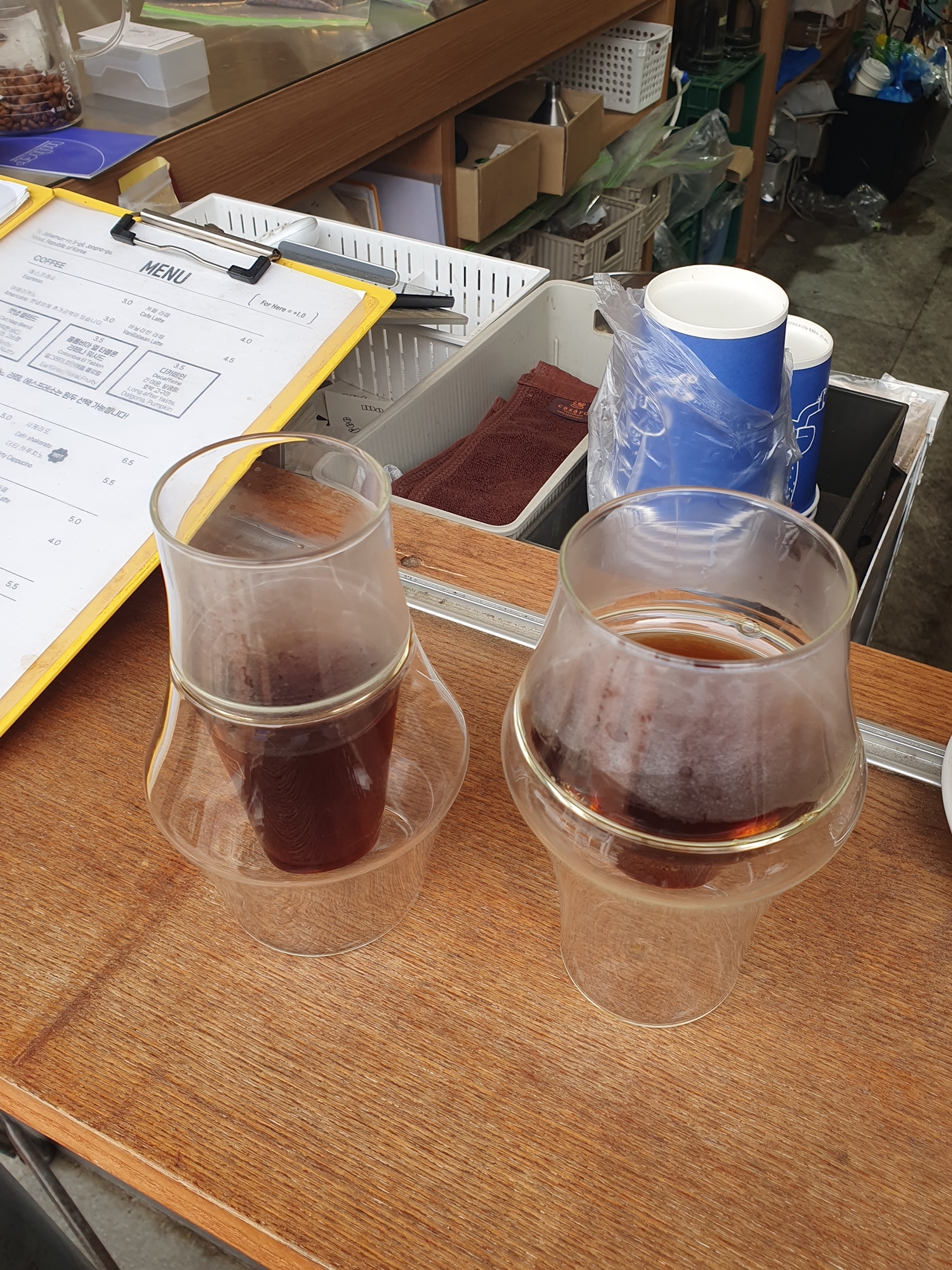
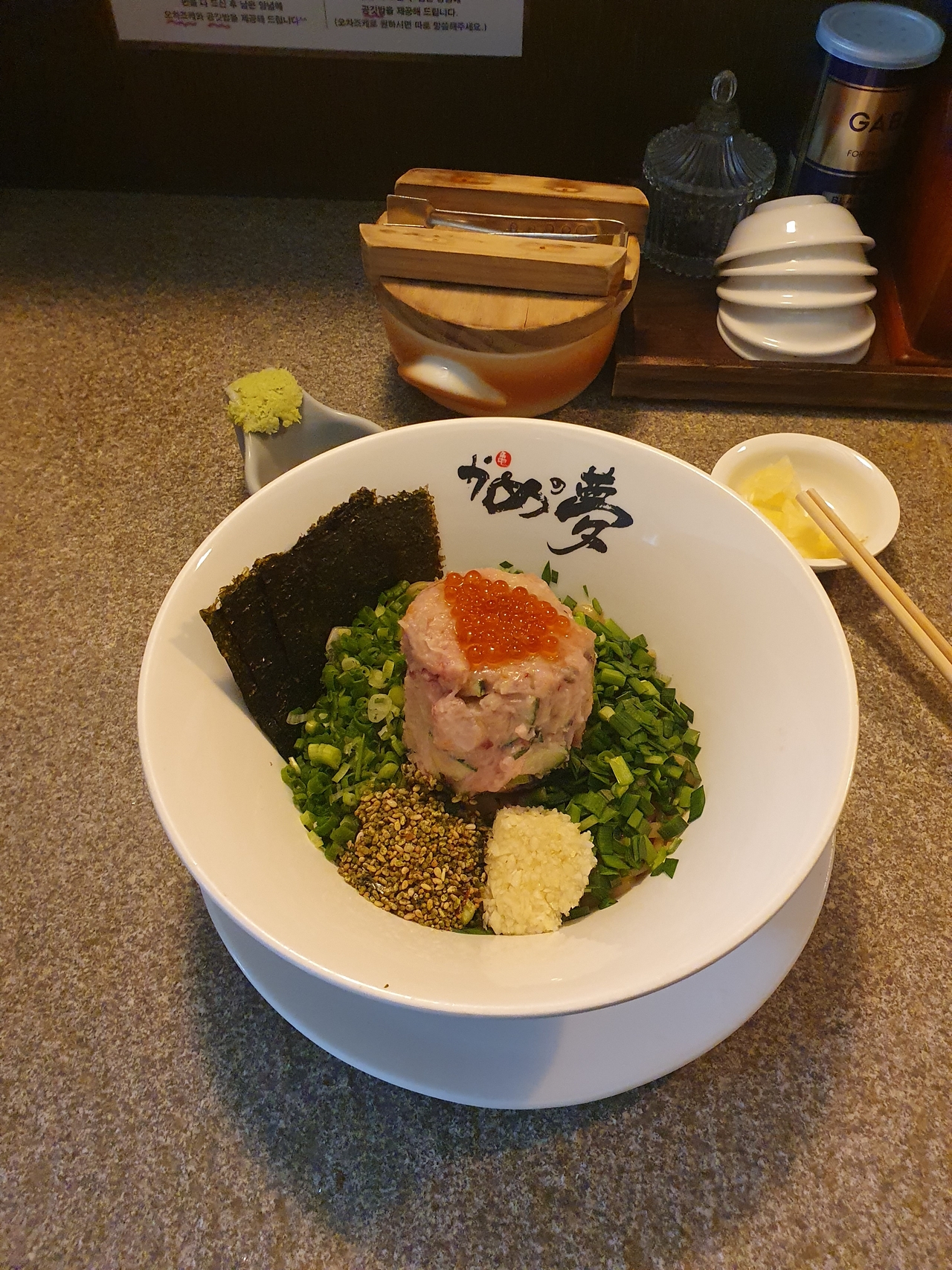
Instead, Han fills her days with things she enjoys. She takes long walks on sunny afternoons. She likes coffee enough to seek out small roastery cafes, take one-day brewing classes and learn about different beans.
She reads widely, drawn to books that spark curiosity and a sense of personal growth. Her schedule feels full — not busy in a frantic way, but complete.
Yet questions follow her.
“Why aren’t you dating?” people often ask.
To Han, the question itself feels loaded. It assumes that dating is something that should be happening — and that if it is not, it must be actively pursued or explained.
“People talk as if young people have ‘given up’ on relationships because of money or social pressure,” she said. “But for me, it’s simpler. I don’t see dating as a must. If I met someone I genuinely like, I would date. But I don’t actively seek it. Life already feels full and happy without needing someone else.”
That sense of quiet indifference is increasingly becoming common in South Korea.
In a society long shaped by tightly sequenced life stages — education, employment, dating, marriage and children — romantic relationships once carried strong social expectations. Dating was not just personal; it was preparatory, a step toward marriage and family formation.
Today, that assumption is weakening. Dating is quietly losing its status as a default milestone, not because young adults fear relationships or feel overwhelmed by them, but because many simply feel indifferent.
According to a February survey, which polled 1,000 unmarried South Koreans aged 20 to 49, 71.7 percent said they were not currently in a dating relationship. By age group, 61.1 percent of respondents in their 20s said they were not dating, rising to 72.6 percent among those in their 30s and 81.5 percent among those in their 40s.
When asked why, the most common answer was not lack of opportunity or financial pressure, but a lack of interest. Nearly 38 percent said they did not feel dating was necessary or appealing, followed by those who said they had not met a suitable partner (35.6 percent). Only 16.5 percent cited the cost of dating or marriage as the main reason.
The gender gap was striking. More than half of female respondents — 51.2 percent — said they were not interested in dating, compared with 23.1 percent of men.
But beneath that broad indifference is a deeper emotional backdrop. Some young adults say it has become difficult to imagine building a shared future at all.
Kim Seung-gil, head of the National Youth Policy Network, said many young adults struggle to picture partnership in a time of instability.
“In a future that feels unstable, being with someone can feel like a burden that’s hard to picture,” he said. “The anxiety young people face is deeply tied to survival — how long they can stay economically active, or how much money is needed to secure housing.”
That anxiety can also shape how individuals see themselves.
“When young people feel they don’t belong to what society defines as a ‘normal group,’ they may label themselves as failures and withdraw from forming relationships altogether,” Kim said. “Society needs to present a future that feels possible.”
This emotional context helps explain why values are shifting. As modern Korean society places greater emphasis on physical, mental and environmental well-being, personal time, autonomy and choice have become central. Under the growing influence of “well-being” culture, many prioritize living healthily and intentionally over fulfilling traditional life scripts.
As a result, dating — which demands time, emotional energy and social coordination — is no longer seen as a necessary investment. Young people increasingly channel their energy into pursuits they can choose and control, such as hobbies, self-development and interest-based communities.
Some scholars caution against interpreting this shift solely through the lens of demographic decline. Framing young people’s dating choices as a problem tied to low birth rates, they argue, oversimplifies a far more complex change in how younger generations define a good life.
“We should not see young people merely as a ‘childbearing generation,’ but ask together what a good life looks like and how people can live better lives,” said Han Woori, a researcher at Chonnam National University’s Institute for the Humanities.
“Through that process, young people can develop a sense of belonging and stability, and build influence within society.”
Another defining feature of dating indifference is the abundance of alternatives. In dense urban spaces like Seoul, young adults can easily find community through fitness groups, book clubs, creative workshops or fandom culture. Online platforms and offline meetups alike offer emotional connection without romantic expectations.
Importantly, these activities are not framed as substitutes for dating. They are primary sources of satisfaction.
“People assume you must be lonely if you’re not dating,” said a 34-year-old man who runs a running club. “But I’m constantly around people. I just don’t define those connections romantically.”
Experts say this diversification of intimacy has reshaped how relationships are valued. Dating is no longer the central gateway to emotional fulfillment.
Korea is not alone in this change. Across advanced economies, young adults are delaying or opting out of traditional relationship paths. What makes Korea distinctive is how strongly dating was once embedded in a rigid life script.
Sociologists note that indifference toward dating often signals confidence rather than withdrawal. When individuals feel their lives are already meaningful, relationships lose their role as social obligations.
“I don’t feel like I’m falling behind,” Han said. “My life feels complete as it is.”
"Choosing not to date is not a statement or a protest. It is a quiet reflection of how fulfillment and connection are being redefined in my life. I am happy."
jychoi@heraldcorp.com

![[Weekender] Are men with type B blood really womanizers?](https://wimg.heraldcorp.com/content/default/2018/07/26/20180726000649_0.jpg?type=h&h=240)