How language, seasons and social duty shape K-drama romance
Romance in K-dramas is rarely driven by overt declarations alone. Instead, it unfolds through smaller signals such as a shift in speech level or the timing of a snowfall.
These details, often flattened or lost in translation, carry the emotional weight of a relationship. To watch a Korean romance closely is to read a language of love embedded not just in dialogue, but also in forms of address, seasonality and social obligation, all compressed into a system that turns Korean culture into a form of art.
The love language of K-drama
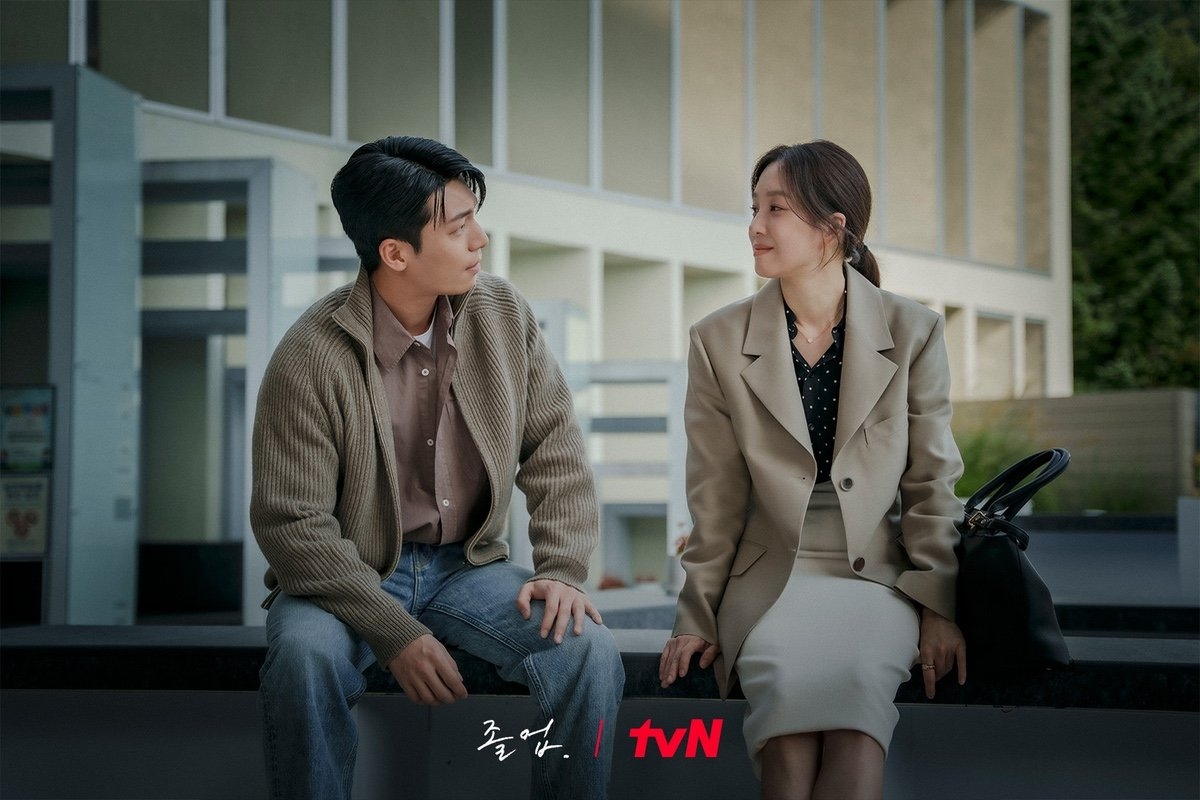
Unlike English, in Korean, honorifics primarily function as social coordinates. Speech levels, suffixes and forms of address measure emotional distance, making language an important narrative device, especially in romantic relationships.
Endearments like "jagi" or "aegi" (both roughly translating to "baby") signal a settled intimacy, shorthand for mutual emotional security. "Yeobo," meanwhile, carries a heavier charge. Traditionally reserved for married couples, its use within a dating relationship implies either impending commitment or a level of closeness that already feels like marriage.
By contrast, the sudden use of "ya" -- a blunt, informal "hey" -- often acts as a linguistic red flag. When characters abandon honorifics in moments of conflict, it cues a suspension of respect, frequently weaponized to escalate emotional tension.
Perhaps no trope encapsulates this tension more cleanly than the enduring “oppa/noona” romance.
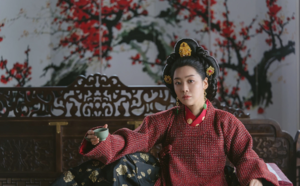
In particular, when the younger male lead drops the honorific "noona" -- a term younger men use to address an older sister or older woman -- and begins calling his partner by her given name, the moment reads as a deliberate challenge to hierarchy. He is rejecting the mentor-mentee hierarchy and asserting that they now stand on equal footing as romantic partners. For example, in series like "The Midnight Romance in Hagwon," the moment represents an ideological shift.
The meteorology of emotion
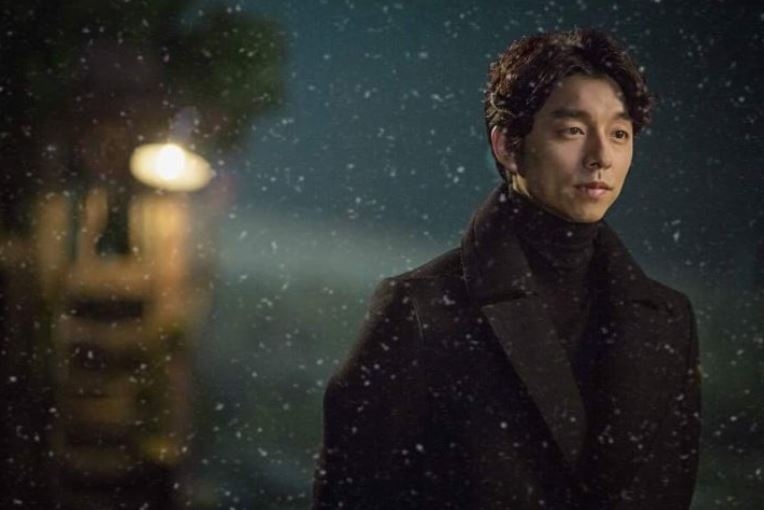
K-dramas are famously seasonal, and rarely by chance. Weather often operates as an emotional cue, with each season carrying its own set of associations.
Spring, with cherry blossoms and soft light, signals first love. Summer hosts the genre's most passionate romantic stretches, often associated with youth and freedom. Autumn, with its falling leaves and muted palette, functions as a cue for separation, regret or loss. Winter, by contrast, remains deliberately ambivalent, capable of foreshadowing either reunion or emotional isolation.
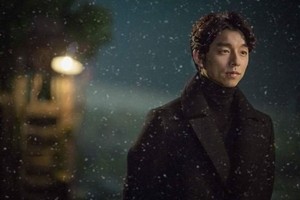
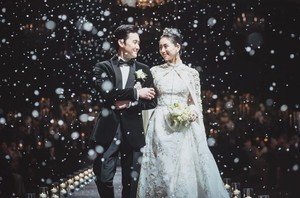
Layered onto this seasonal logic is one of Korea’s most enduring romantic traditions: the first snowfall. Long embedded in popular consciousness, the myth that confessing your feelings on the first day of snowfall leads to love being fulfilled has become a powerful K-drama motif. Few series embrace it as fully as the megahit fantasy romance series "Guardian: The Lonely and Great God," where the first snowfall becomes the central symbol of the leads’ love.
Military service
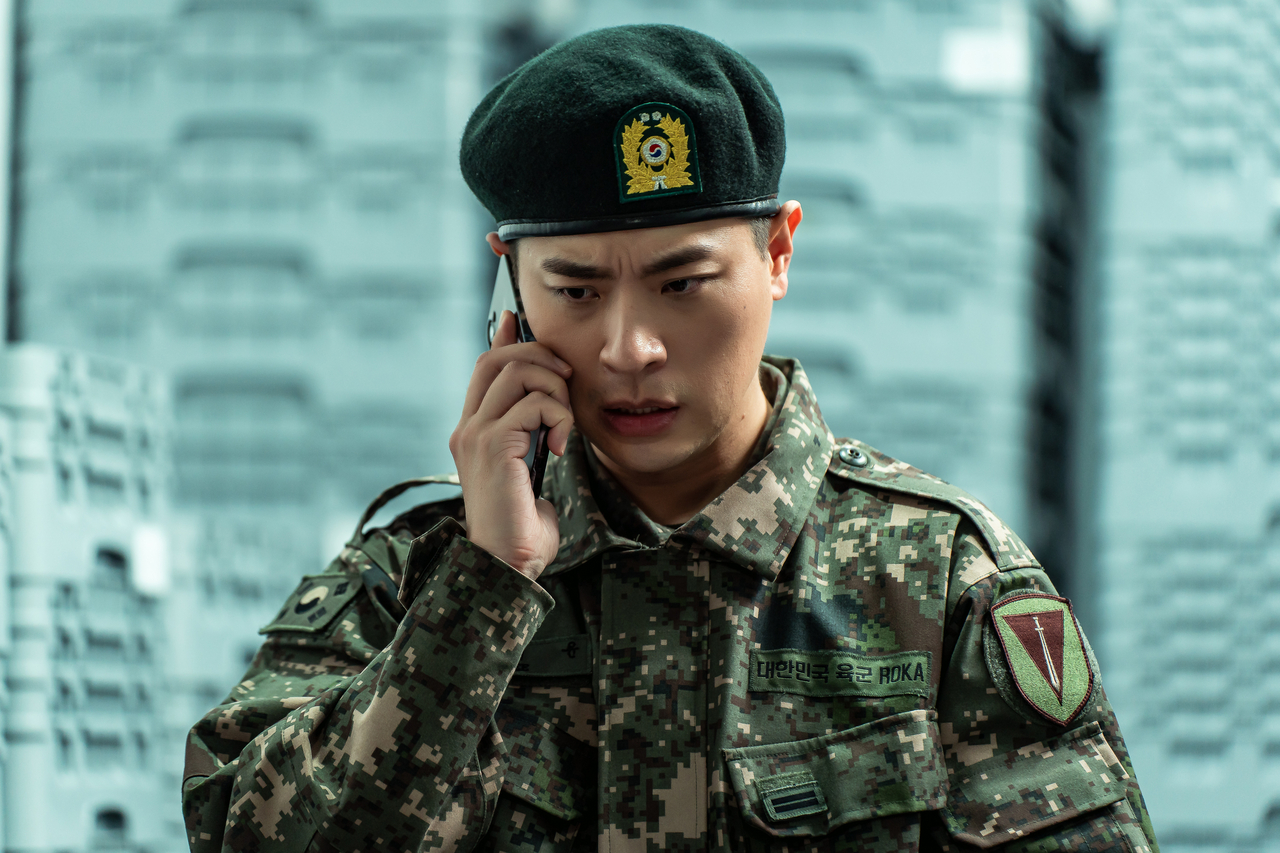
Where Western romantic dramas often rely on career moves or misunderstandings to separate young couples, K-dramas frequently draw from an inevitable reality: mandatory military service.
For Korean lovers in their early twenties, enlistment is not a hypothetical obstacle but a reality. The looming draft notice introduces a unique form of suspense, forcing couples into prolonged physical and emotional distance.
This hiatus often works in K-dramas as a test of devotion, patience and emotional endurance. In "Newtopia," military service is not merely a plot complication but a thematic engine. The pressure placed on Young-joo (Blackpink's Jisoo) to wait out her partner, Jae-yoon (Park Jeong-min)'s belated mandatory enlistment, becomes central to the drama’s emotional structure, shaping how the characters behave throughout the series.
"K-drama Survival Guide" series is your passport to decoding the language quirks and social cues of K-dramas. Each installment unpacks the nuances often lost in translation, offering a deeper look into the subcontexts of K-drama. This is the final installment. -- Ed.