When Yoo, 52, was young, caffeine felt like a marker of adulthood. It was "something only grown-ups drink,” a taste you gradually acquired after entering adult life, she said.
“When I was young, if I felt tired, I would drink water or milk, or just go to sleep. That was normal,” Yoo recalled. “These days, it seems young people are consuming far more caffeinated beverages without even realizing it.”
Nearly 15 years younger than Yoo, 26-year-old florist Lee Jung-yeon had a very different -- and much earlier -- introduction to caffeine. “I started drinking Let’s Be (a cheap, sweet, milk-based canned coffee sold in Korean stores) in elementary school,” she confessed. “I loved that sweet taste. From there, I naturally became hooked on the caffeine.”
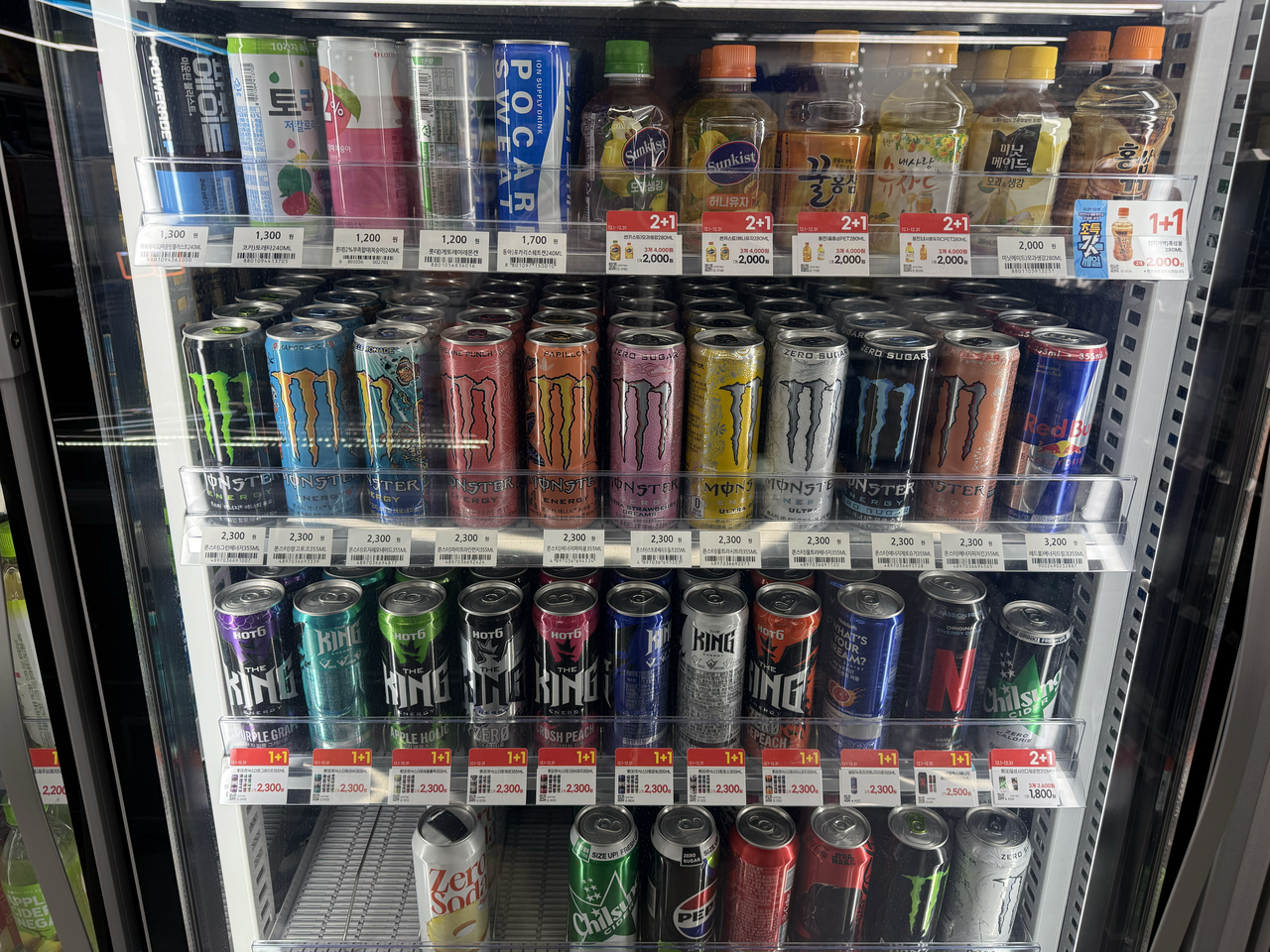
In 2026, younger Koreans encounter caffeine not through coffee, but in a dizzying array of "innocent-looking" drinks -- through matcha, milk teas, vividly colored energy drinks, and zero-calorie sodas. All appear harmless, even healthier, but many contain as much caffeine as several generous sips of an Americano.
Ask Baek, a 25-year-old middle school English teacher, about her students’ caffeine habits, and she’ll tell you coffee isn't what kids are drinking. ”My students rarely drink coffee. They drink energy drinks,” she said.
Caffeine is everywhere
Everyone knows what coffee -- or the caffeine in it -- does to the body. But the guard is often down for those innocent-looking caffeinated drinks.
To put it in perspective, a single espresso shot typically contains about 60 to 75 milligrams of caffeine. Milk tea usually falls closer to 50 milligrams, while a matcha latte contains around 65 milligrams. A regular Americano can have about 225 milligrams, depending on the number of shots, and a typical energy drink often contains around 160 milligrams.
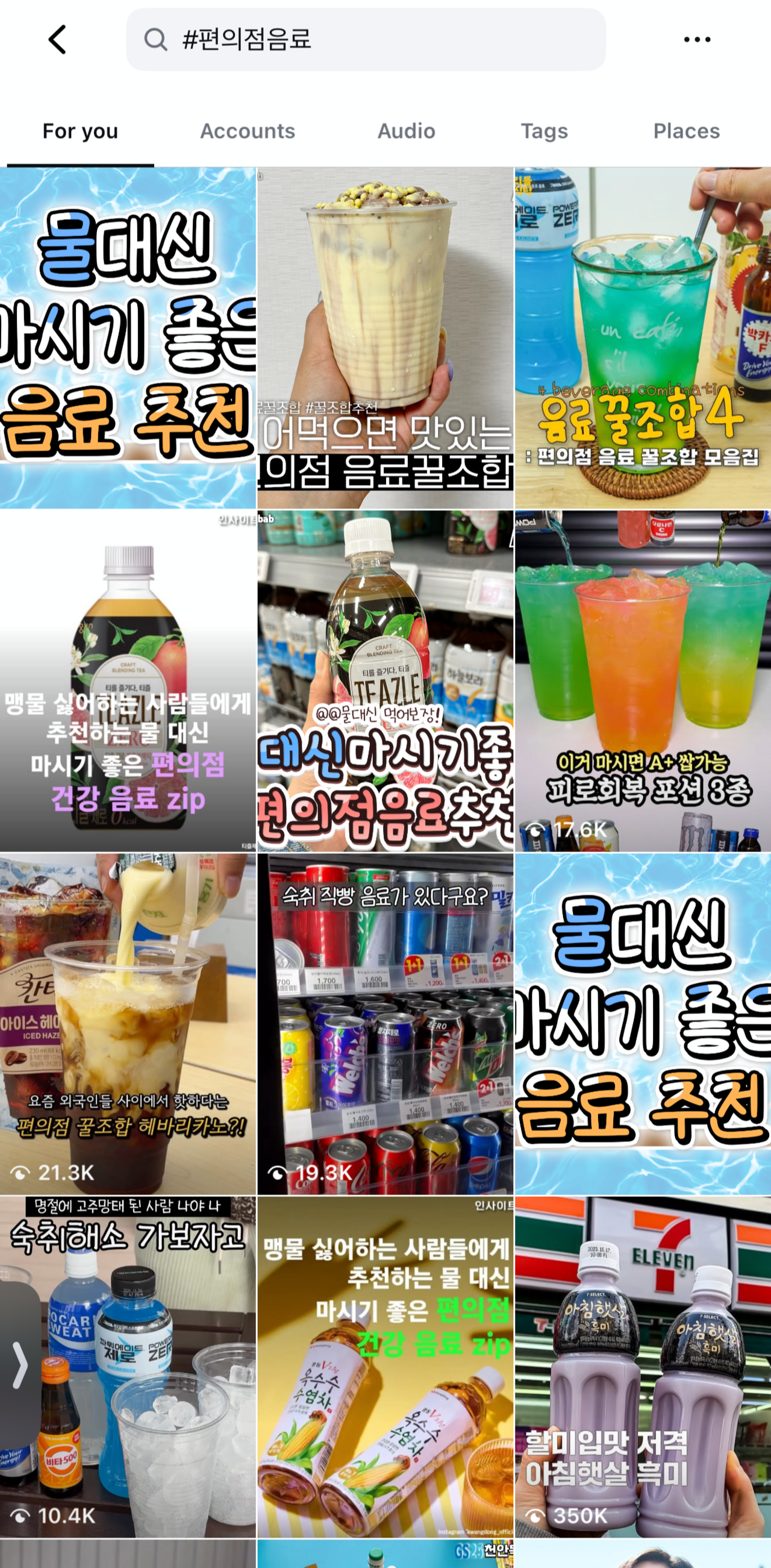
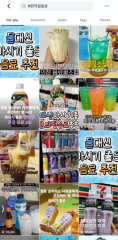
What makes tracking caffeine intake even more difficult is the trend of DIY drink hacks, where two or three beverages are mixed to create entirely new drinks. These playful combinations often pair energy boosters like Bacchus -- a caffeinated drink containing taurine, known for aiding fatigue recovery -- with soda or other refreshing beverages.
Take “Eol-bak-sa,” a mix of ice, Bacchus, and lemonade, which began as a secret menu item at public saunas. It went viral as a “convenience store hack” and was later launched as a ready-to-drink product by GS25. According to the chain, its bottled version sold 9 million units and generated 10 billion won ($7 million) in revenue within four months, surpassing long-time bestsellers.
Other creations, such as “A-shot-chu” (iced tea with an added espresso shot) and “Bak-gal-bae” (Bacchus mixed with a Korean pear drink), have followed a similar path, starting as niche insider experiments and becoming widely recognized names.
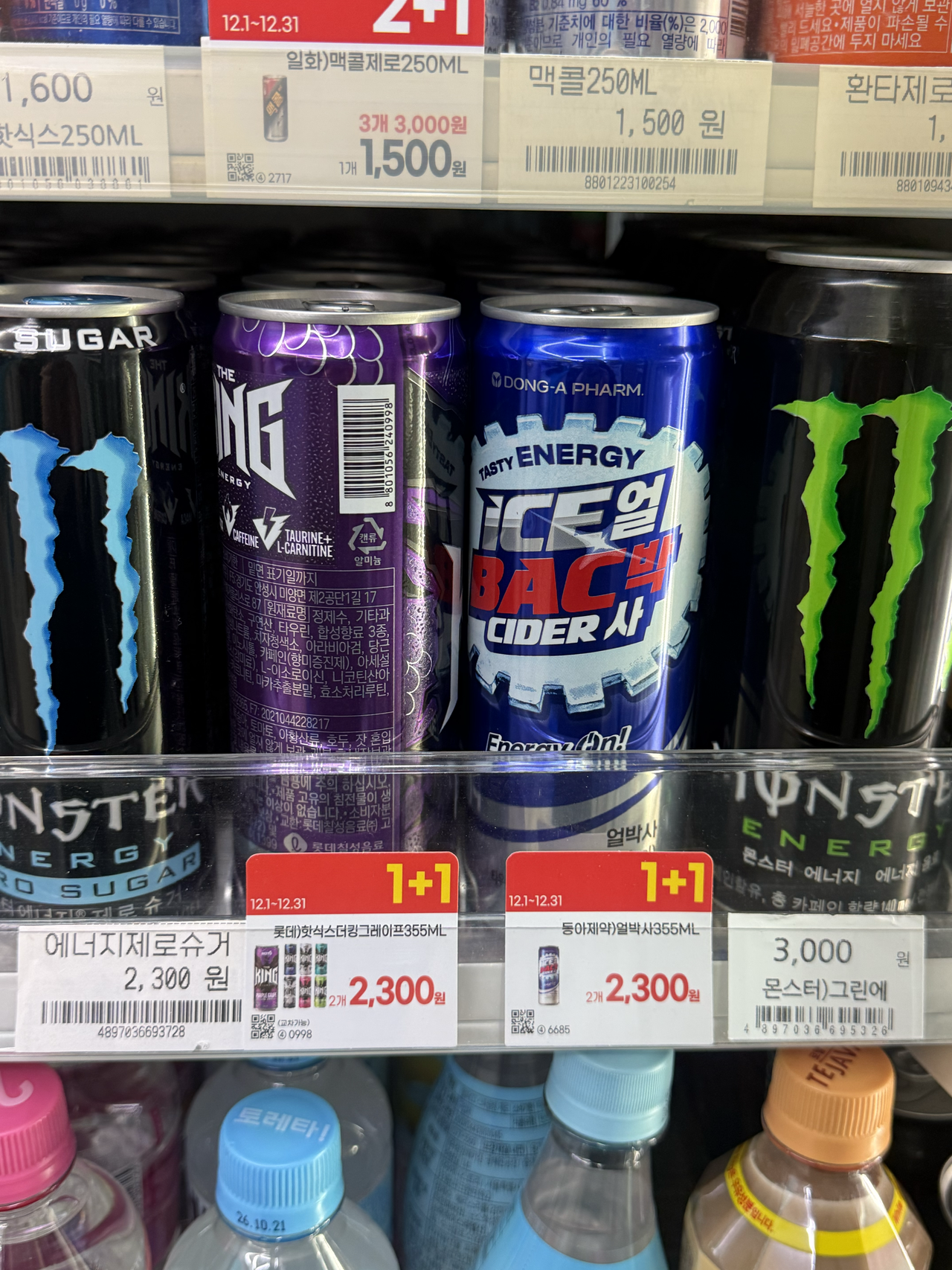
“It feels much easier to come across caffeinated drinks now than in the past,” said a 32-year-old office worker who asked to remain anonymous. “There are many more kinds of energy drinks in addition to coffee, and you can easily find high-caffeine drink recipes on YouTube or Instagram, so those combinations end up feeling like something anyone can make.”
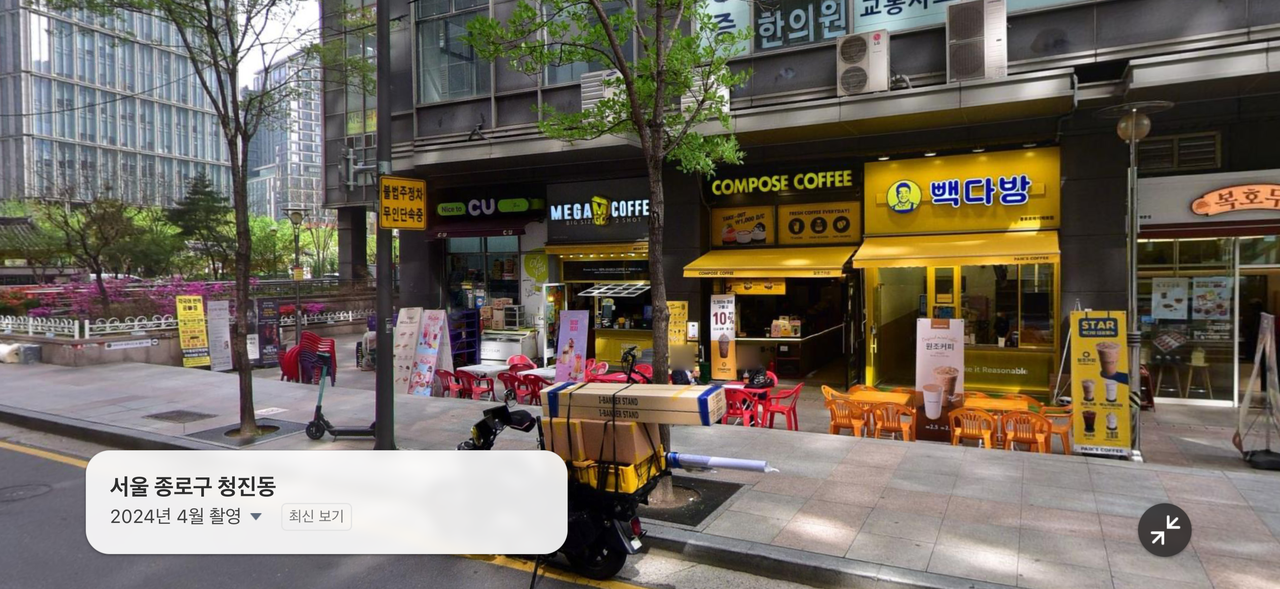
Lee Jae-won, 23, a college student, said the underlying factor is the price and accessibility. Shelves near homes are stocked with canned coffee and caffeinated drinks, budget chains like Mega Coffee and Compose Coffee seem to occupy every street and delivery apps list dozens of cafes.
“With convenience stores and low-price cafes on almost every block, I naturally end up grabbing a coffee from those places all the time,” she said.
Kim, a 24-year-old university student, said caffeinated drinks are no longer an occasional indulgence but a daily purchasing choice.
“For energy drinks, I usually go to convenience stores, and for coffee I mainly use low-cost cafe chains,” said Kim. “There are cafes on almost every street, and I can order anytime through delivery apps.”
Will caffeine face a pushback in Korea?
Caffeine is one of the most commonly used psychoactive substances in the world, helping improve human concentration.
But for many Koreans, it is no longer reserved for those moments when better focus is needed. Whether feeling tired, thirsty or even just bored, it has become the default choice.
“Drinking a cup of coffee has become a routine. It’s not just for staying awake. We habitually reach for it more often than for a glass of water,” said Kim Chae-rin, a 24-year-old office worker.
Koreans are well aware of the country’s caffeine addiction, poking fun at it with self-deprecating memes, like calling black coffee a “blood pack.”
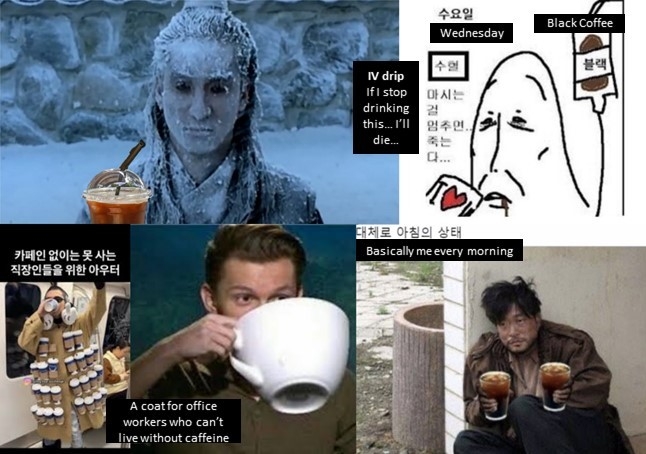
More and more people are choosing decaf. According to reports from the Ministry of Food and Drug Safety, domestic decaf production in 2024 rose to 18,641 tons — 2.9 times higher than 2020’s 6,463 tons. Still, decaf remains a niche choice.
“Our society clearly consumes excessive caffeine, but people don’t really recognize it as a problem. As a result, alternatives like decaf feel unnecessary or ineffective,” Lee said.
“A ‘hyper-caffeinated society’ is rooted in an environment that forces extreme productivity. A cup of coffee isn’t just a preferred drink anymore. It has become a method to push ourselves to perform better,” explained Jang, a 26-year-old college student.
“Even more concerning, this isn’t just an individual choice but a reflection of the overall social atmosphere. We don’t necessarily learn to drink coffee by preference but through social norms and cultural habits.”