South Korea’s National Health Insurance Service suffered a second defeat in its long-running legal battle against cigarette-makers on Thursday, as an appellate court rejected its claim seeking compensation for smoking-related medical costs.
The Seoul High Court dismissed the insurer’s lawsuit seeking 53.3 billion won ($36.2 million) from the country’s three major tobacco companies — KT&G, Philip Morris Korea and British American Tobacco Korea — upholding a lower court's ruling issued in 2020.
The NHIS has argued that the companies should reimburse it for medical expenses paid for patients suffering from smoking-related diseases.
The high court ruled, however, that the insurer failed to establish a direct legal relationship between the cigarette consumption and the damages it claimed to have suffered.
“This case involves the plaintiff carrying out its statutory duties under the National Health Insurance Act by paying benefits,” the court said. “It is difficult to conclude that the plaintiff’s legal interests were directly infringed.”
The court also said it could not establish a case-specific, individual causal link between smoking and the illnesses of patients whose medical costs were covered by the NHIS, despite general research showing a statistical association.
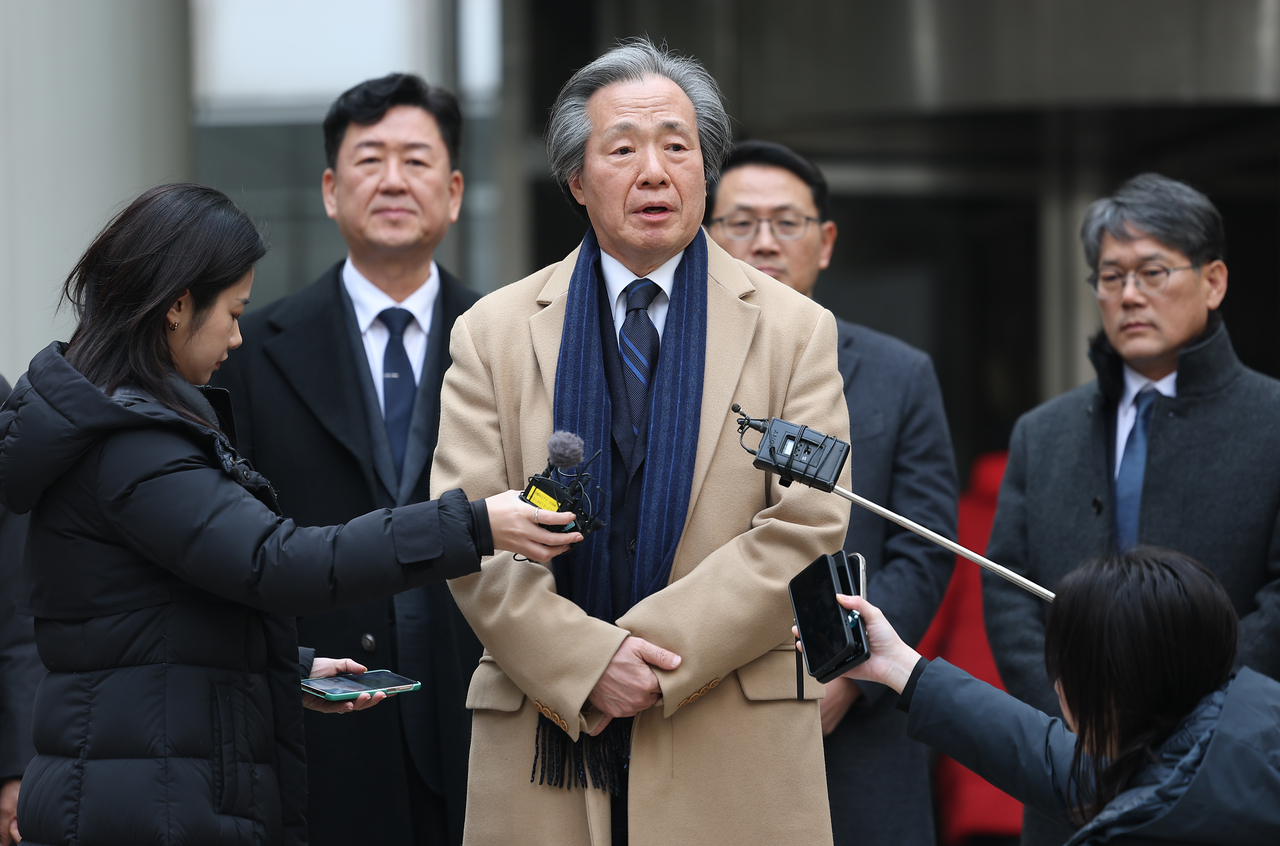
NHIS President Jung Ki-suck expressed regret over the outcome.
“We respect the court’s decision. However, I did not expect the gap between science and the law to be this wide,” Jung said. “Everyone knows that smoking causes lung cancer. This goes beyond a scientific fact and has become a widely accepted truth.”
The decision marks the second loss for the NHIS in its 12-year legal battle with the tobacco companies. In 2020, the Seoul Central District Court likewise ruled in favor of cigarette-makers, rejecting the insurer’s claim.
The NHIS first filed the damages suit in 2014, seeking reimbursement for medical expenses paid for 3,465 patients diagnosed with lung cancer and laryngeal cancer.
The patients had smoked for more than 30 years, with heavy smoking histories of at least one pack per day for over two decades.
The district court ruled that the plaintiff could not exclude the possibility that factors other than smoking contributed to the onset of the disease.
It also held that the insurer did not suffer direct damage, as it paid medical benefits under insurance contracts rather than as a victim of wrongdoing.
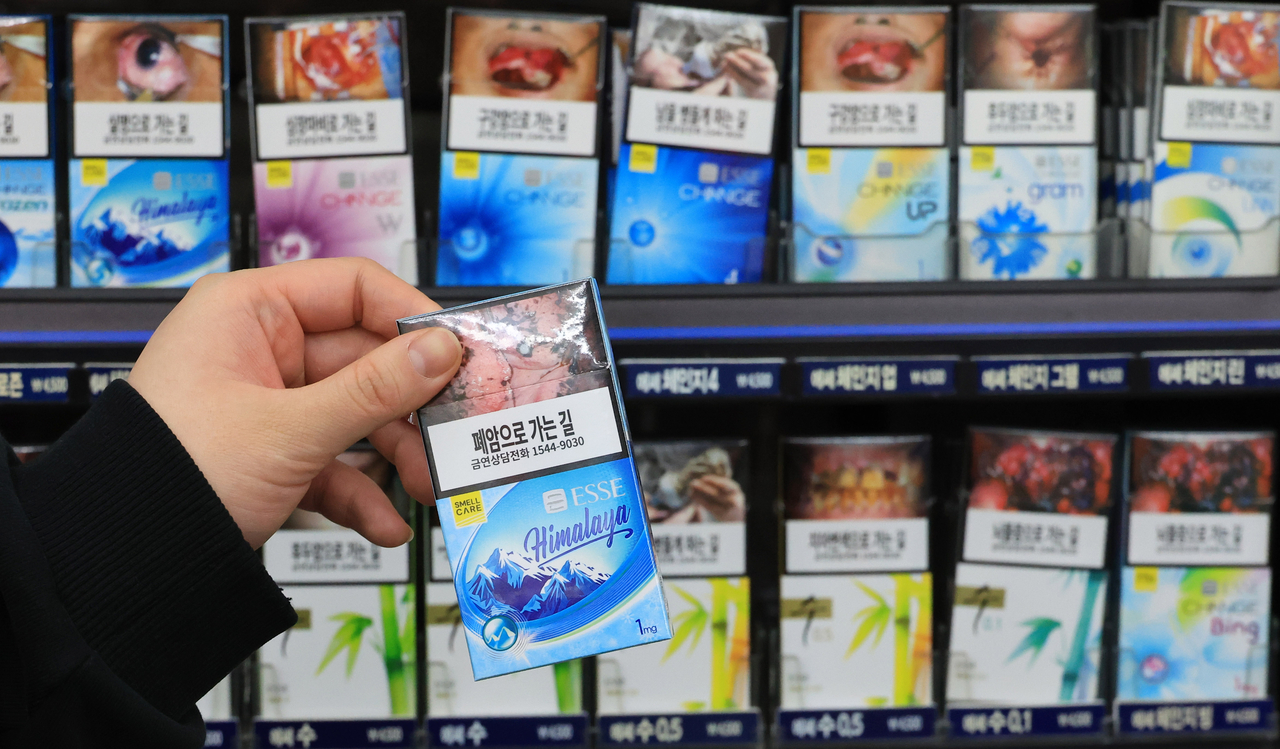
In response, the NHIS has focused on strengthening medical evidence linking smoking to cancer. Earlier this week, the insurer reported that a medical analysis using big data showed smoking accounted for 81.8 percent of lung cancer risk factors among 2,116 patients involved in the lawsuit.
Jung, who is also a pulmonary medicine specialist, argued during the final hearing in May that cigarette-makers should bear at least partial responsibility.
“Even if smoking is not the sole cause in individual cases, cigarettes are clearly a contributing factor that facilitates the onset and aggravation of disease,” Jung said.
Civic groups that supported the NHIS throughout the legal battle also expressed regret over the high court’s ruling, saying the social responsibility of cigarette-makers should take precedence over their commercial interests.
“It is a disappointing outcome. While it is a legal judgment, the enormous social costs caused by smoking cannot be denied,” an official from the Green Consumers Network in Korea told The Korea Herald.
The group added that the ruling should not be interpreted as dismissing either the social responsibility of cigarette-makers or the harms caused by smoking.
Despite the setback, the insurer is expected to appeal to the Supreme Court. Jung has vowed to continue the legal fight in an effort to establish a precedent holding cigarette-makers accountable, at least in part.
“While I did not expect a defeat, we had prepared to take the case to the Supreme Court,” Jung said after the high court ruling. “As unfavorable rulings accumulate, the legal barrier against us keeps growing, but I will do my best to break through it with legal reasoning.”
The NHIS argues that the tobacco litigation cannot be abandoned, as smoking-related diseases place a heavy burden on public finances while tobacco companies continue to generate substantial profits.
The insurer estimates that nearly $30 billion has been spent from its fund over the past 11 years on the treatment of smoking-related illnesses.
Jung also said the NHIS would strengthen its legal strategy, disputing the tobacco companies’ argument that smoking was the result of individuals’ well-informed decisions despite known risks.
The appellate court accepted the companies’ reasoning, saying that the harmfulness of smoking and its addictive nature are widely recognized in society.
“I believe we may find clues by conducting in-depth interviews with cancer survivors to demonstrate that smokers did not fully recognize they would develop lung cancer from smoking,” Jung said. “We will pursue the case more aggressively by employing a range of legal strategies.”
forestjs@heraldcorp.com