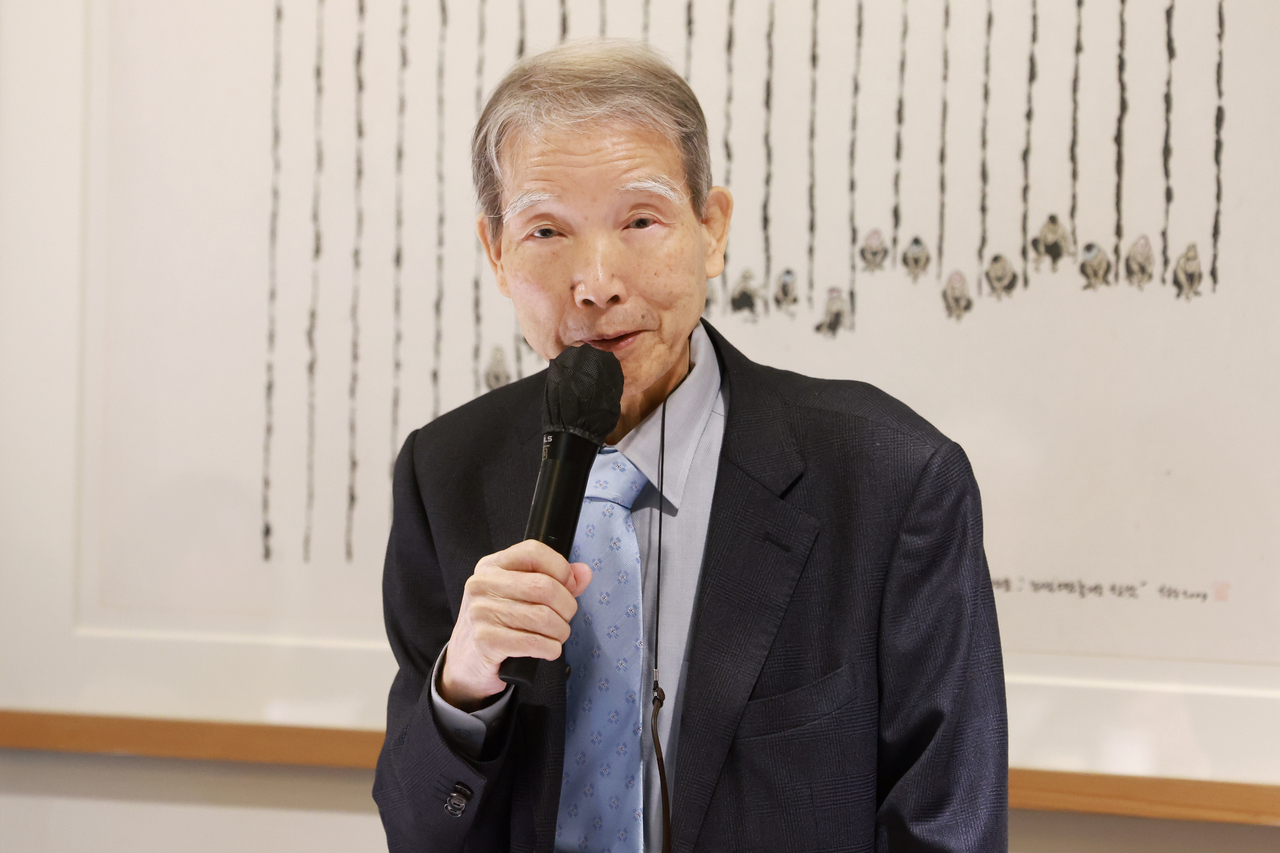
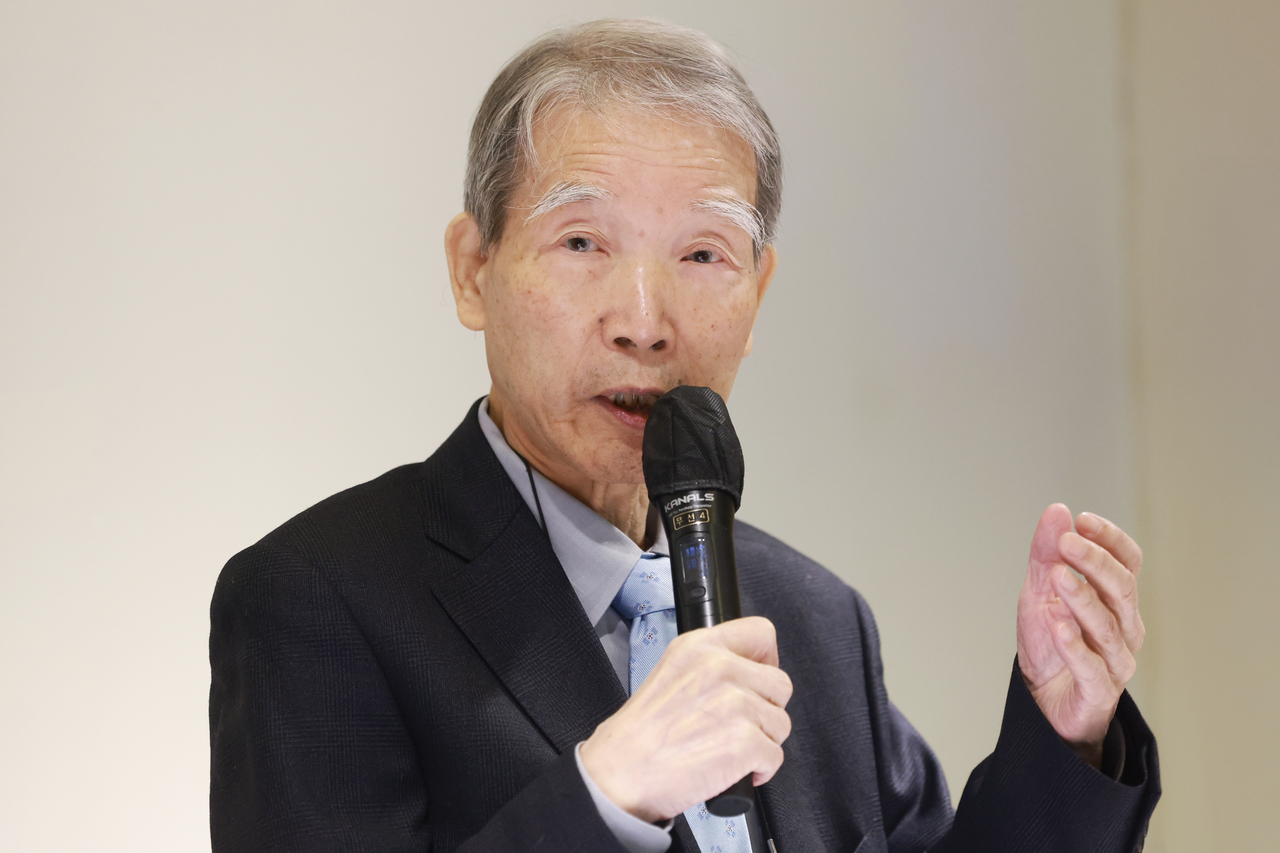
Literature should not only belong to literary circles; it must be something the public can widely enjoy, according to Yim Hun-young, director of the National Museum of Korean Literature.
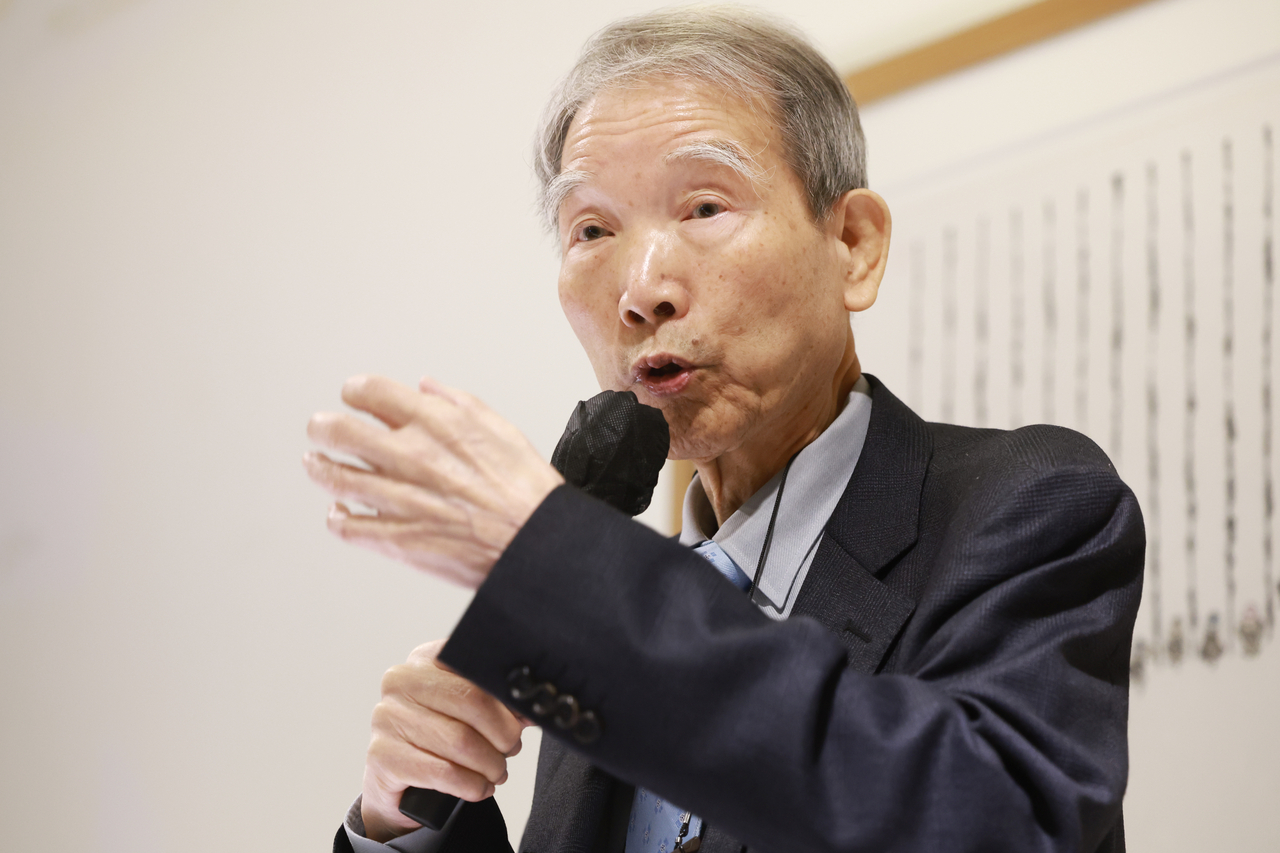
Yim stressed that the traditional, elite-bound notion of literature must change during a press conference in central Seoul on Monday, marking his first month in office.
“A concept of literature that is valid only within literary circles is no longer acceptable. The definition of literature needs to be rethought,” he said.
In Korea, the meaning of “literature” has long been shaped by a distinction between so-called “pure literature” and popular or genre fiction — a boundary that has been debated until quite recently. “Pure literature” has typically referred to works by authors who debuted through institutional channels such as literary contests or established literary journals.
He noted that the museum would pay serious attention to new forms of storytelling, including web novels and webtoons as source material for narratives. Asked whether web novels could be considered literature, he replied that their authors wield “far greater influence than conventional literary figures” and earn “much more money,” adding that “the National Museum of Korean Literature must, of course, preserve these works as part of the record.”
The 85-year-old literary critic and former journalist has also served since 2003 as head of the Center for Historical Truth and Justice, a Seoul-based civic organization known for its research on Japan’s colonial rule.
He said that pro-Japanese literature from the colonial period should be treated as an objective historical record rather than avoided. In particular, he emphasized the need to collect materials related to writers such as Chae Man-sik and Seo Jeong-ju, whose careers are now marred by their pro-Japanese activities.
“The museum’s position is that history must be revealed as it is. Even if this literature is shameful, it is still history, and we must keep it in its entirety,” said Yim.
Yim said that, above all, the museum’s core mission should be to make literature more accessible to the broader public.
Noting that declining interest in reading has become a global trend, he added that the museum would expand book concerts and other public programs to encourage a stronger reading culture, including new initiatives such as literary travel programs that connect readers with places tied to writers and their works.
As part of this effort, and ahead of the 100th anniversary of novelist Park Kyong-ni’s birth in October, the museum is considering a literary tour centered on sites in Hadong, South Gyeongsang Province, associated with her epic novel “Toji” (The Land), highlighting key locations linked to the story.
“Through literature, the Korean people were able to carry forward a dream of peace, safeguard our national identity and move toward the ideal of becoming a cultural powerhouse,” he said. “The National Museum of Korean Literature should serve as a spiritual lighthouse.”
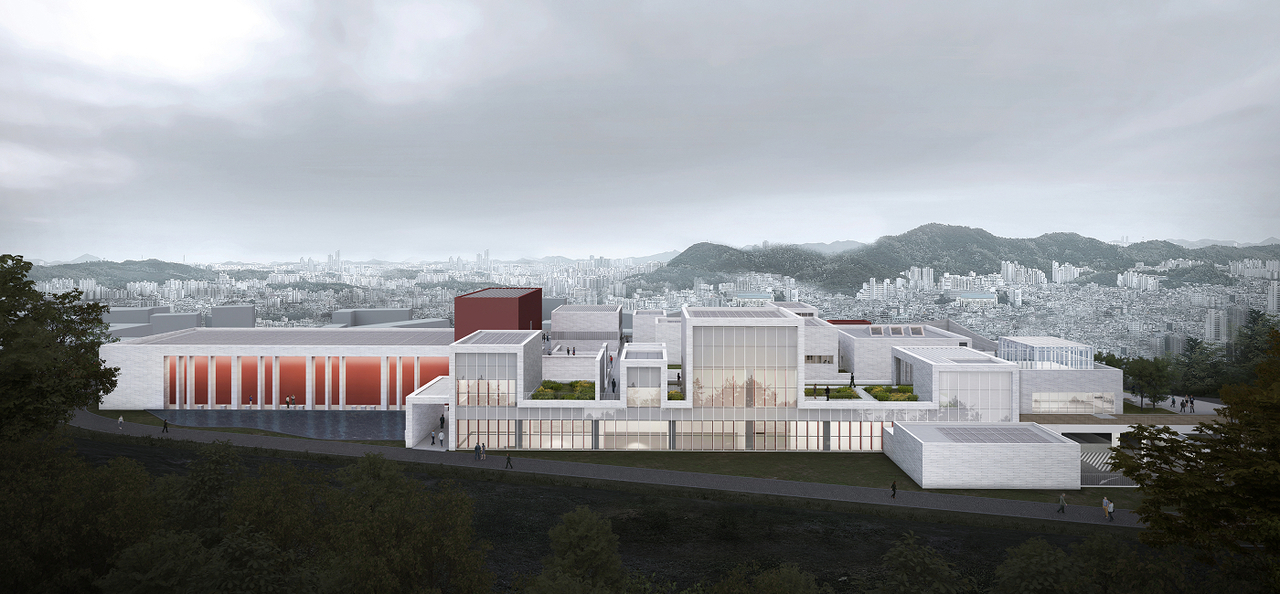
The National Museum of Korean Literature is scheduled to open officially in spring 2027 in Eunpyeong-gu, northwestern Seoul.
hwangdh@heraldcorp.com