Maternity care shortages driven by legal risks and financial losses spread to Korea’s most densely populated areas
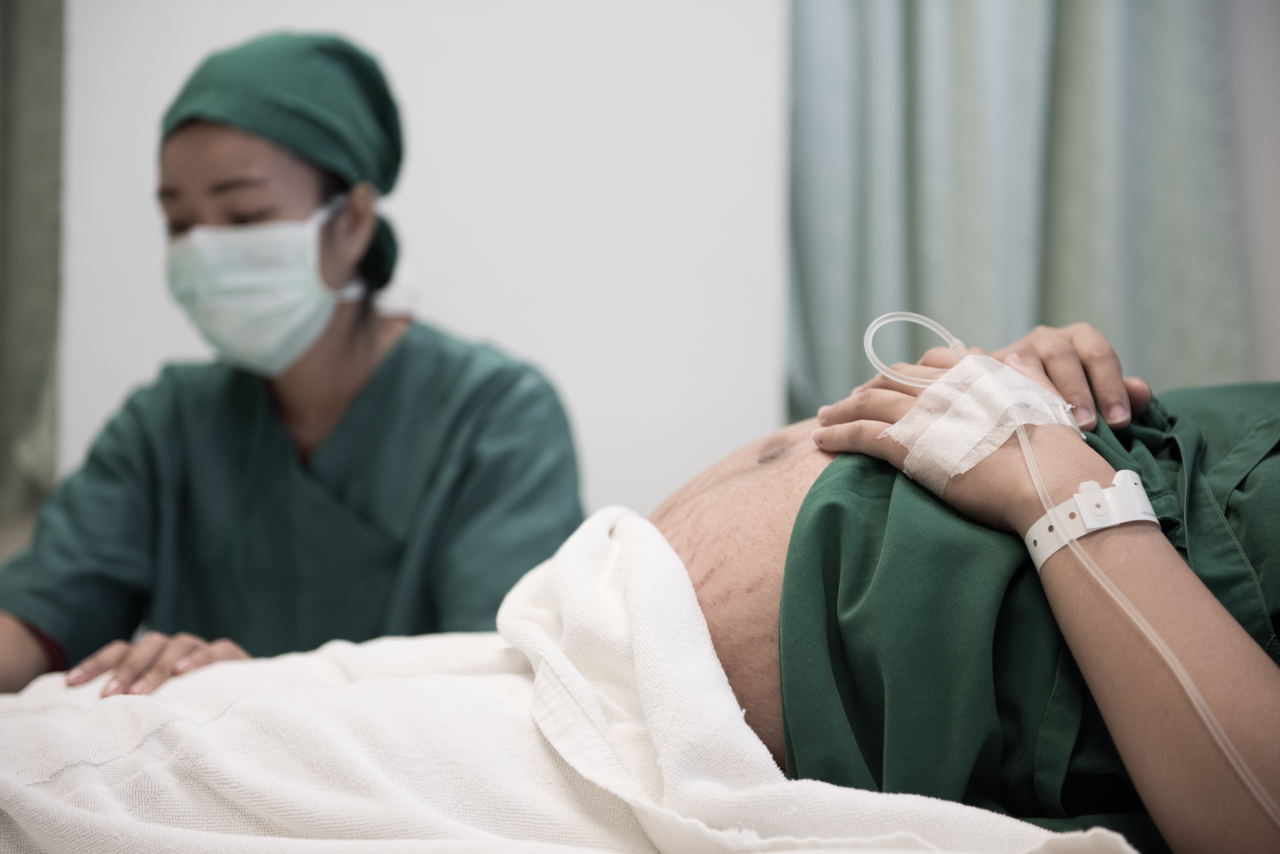
A mother safely gave birth to twins after emergency rescuers searched dozens of hospitals in Bucheon, Gyeonggi Province, as multiple facilities declined admission due to the absence of on-duty childbirth specialists.
The story spread online after the parents posted a message of gratitude on the website of the Gyeonggi-do Fire Services earlier this month.
While many commenters praised the dedication of the emergency workers, the incident has renewed concerns over South Korea’s strained childbirth infrastructure, a problem now extending beyond rural regions into densely populated cities near Seoul.
The emergency occurred on Jan. 24, when the expectant mother's membranes ruptured while she was in a car at around 10 p.m., and she reported the situation to the 119 emergency service. She was 35 weeks pregnant with twins, placing both mother and babies at high risk of complications.
Rescuers contacted 16 nearby hospitals but were repeatedly told that no obstetrics or pediatric specialists were on duty that Saturday night. The provincial emergency control center also reached out to more than 15 additional hospitals in search of an available maternity bed.
After 98 minutes, rescuers transported the mother to St. Vincent's Hospital in Suwon, about 45 kilometers from Bucheon. She later delivered the twins safely without requiring emergency surgery.
“When I saw news reports about patients being turned away from emergency rooms, I never imagined it would happen to me,” the mother wrote in her post.
“I wanted to express my gratitude because I could not properly thank the rescuers at the emergency room due to the urgency of the situation.”
Bucheon, home to roughly 800,000 residents and bordering both Seoul and Incheon, illustrates how shortages once associated with remote regions are increasingly affecting major metropolitan areas.
The decline in maternity services is largely attributed to a sharp decrease in physicians specializing in obstetrics and gynecology. The number of new specialists fell from 259 in 2004 to 102 in 2023, leading to a contraction in medical training capacity.
As of 2023, only 125 obstetrics and gynecology professors remained across 95 training hospitals nationwide.
The situation is placing mothers with high-risk pregnancies, such as those involving premature or multiple births, in increasingly vulnerable conditions.
According to the Korean Society of Obstetrics and Gynecology, 66 percent of university hospitals reported that only one or two professors were responsible for treating high-risk pregnancies despite the need for round-the-clock readiness.
Medical professionals say growing legal risks linked to malpractice disputes are discouraging doctors from entering the field.
Professor Seol Hyun-joo of Korea University Guro Hospital said a 2023 survey found that 47 percent of final-year obstetrics residents and subspecialty fellows did not plan to continue performing deliveries. Of them, 79 percent cited concerns over medical accidents and legal liability as the main reason.
Even among those intending to continue delivery practice, 75 percent said they remained worried about childbirth-related medical disputes.
“A lack of legal protection against repeated medical lawsuits discourages capable and conscientious obstetricians from continuing delivery services,” Seol said.
Medical experts also pointed to worsening financial losses faced by maternity departments. They said government support tied mainly to birth numbers has failed to offset fixed operating costs as Korea’s birthrate continues to decline, while the level of support itself remains insufficient.
Seol noted that large hospitals handling between 1,200 and 1,800 deliveries annually operate at deficits ranging from 500 million won to 2.5 billion won ($345,000 to $1.73 million). On average, university hospitals lose about 380,000 won per delivery, while smaller hospitals suffer even greater financial losses.
Professor Lee Jeong-jae, an adviser to the KSOG, said at least 50 deliveries per month are required for a medical institution to cover staffing costs for doctors and nurses.
“Even training hospitals, despite their relatively large scale, often struggle to reach 50 monthly births,” Lee said. “Financial support to maintain essential personnel is urgently needed.”
forestjs@heraldcorp.com