At Seoul kids cafes, parents get hours of safe play for the price of a coffee
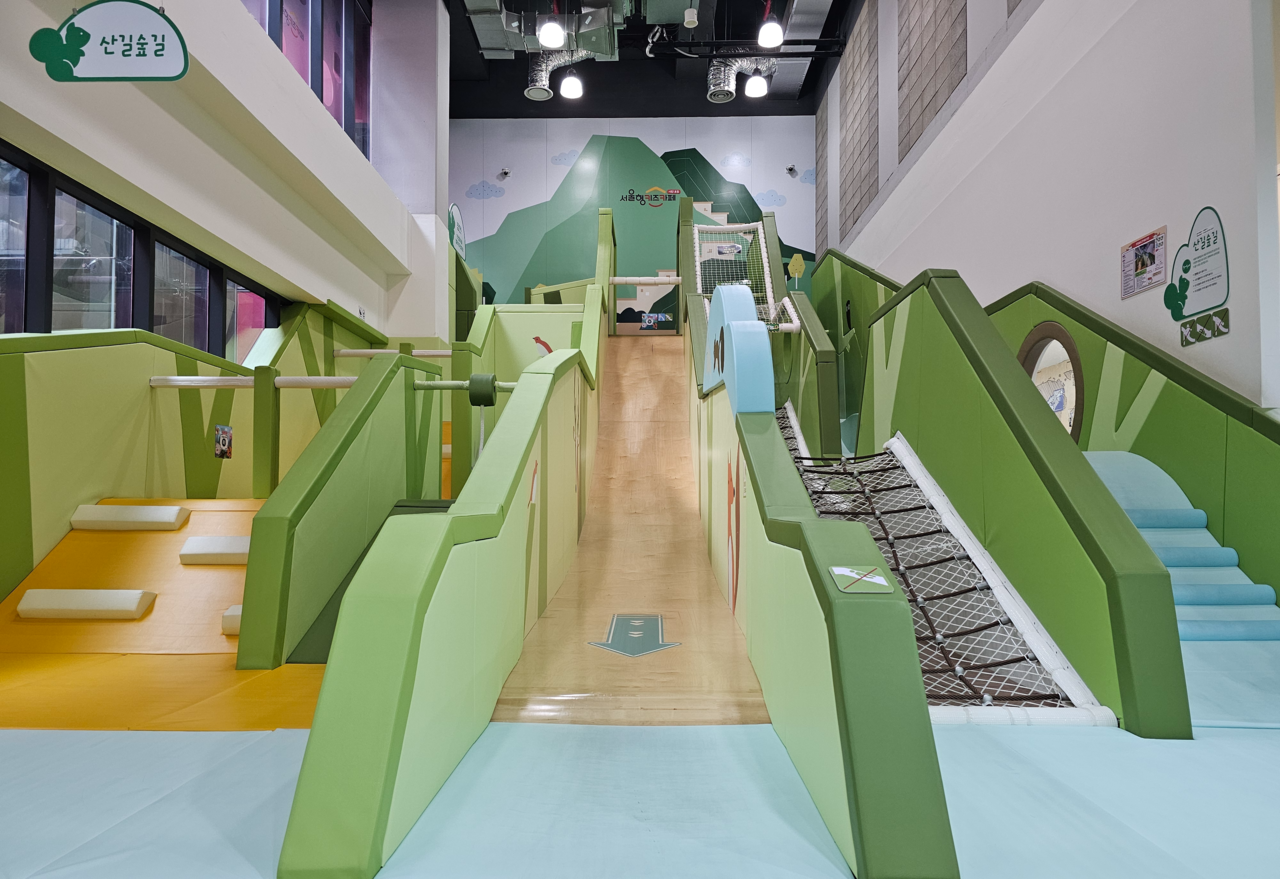
In Seoul, indoor playgrounds for toddlers are not just private businesses — they are a public infrastructure.
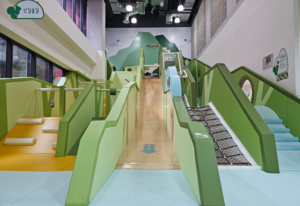
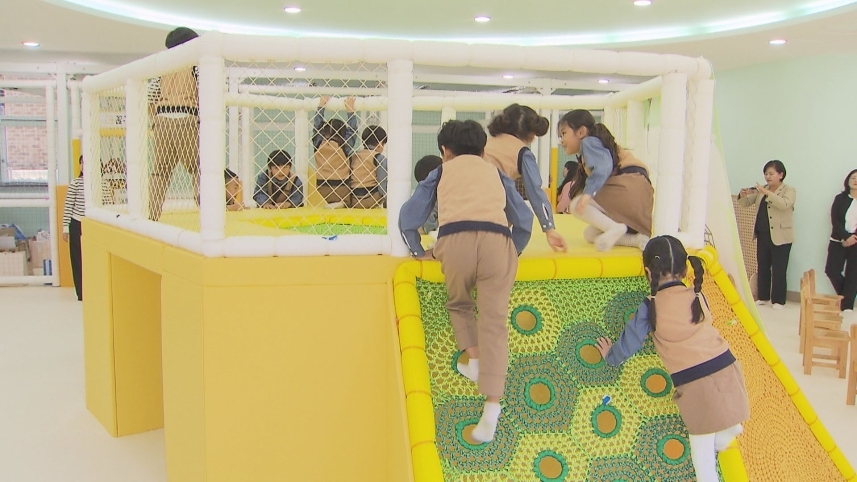
Across the capital, 137 publicly operated “Seoul Kids Cafes” offer slides, ball pits, trampolines, costume play areas and climbing gyms for as little as 3,000 to 5,000 won ($2–$4) per two-hour session, roughly half the price of private venues. The fee is waived for families with two or more children.
For Park Jeong-eon, 38, who is raising two sons aged 5 and 6, the branch near Daebang Station is a regular stop. At least twice a week, her boys burn off energy, racing down giant slides of different shapes, twirling and stomping around with friends, just the kind of boisterous fun that could quickly draw complaints from neighbors in their apartment complex.
“I feel lucky there’s a place nearby where they can just play without worries,” she said, adding that she comes so often she sometimes feels guilty not paying anything.
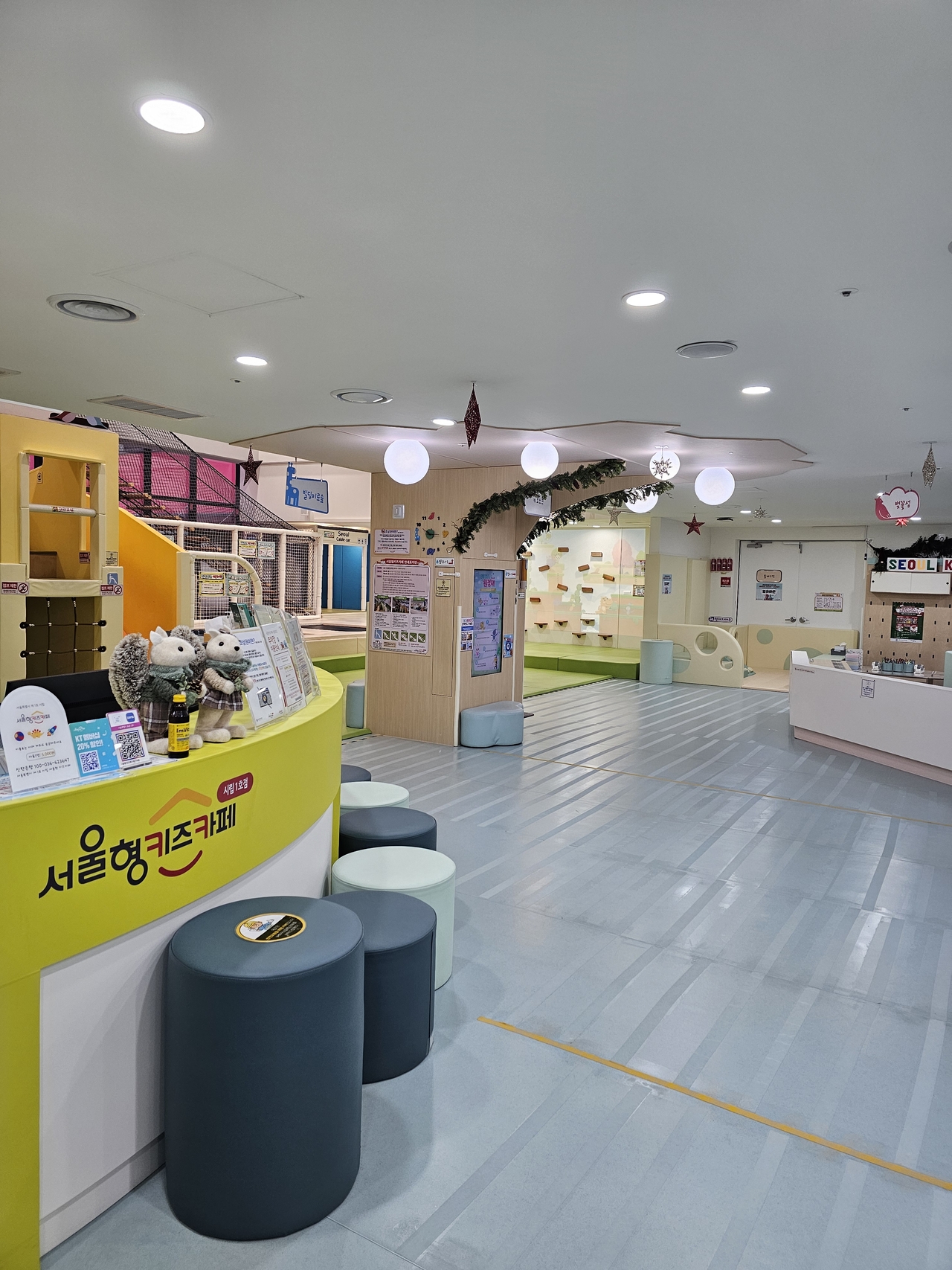
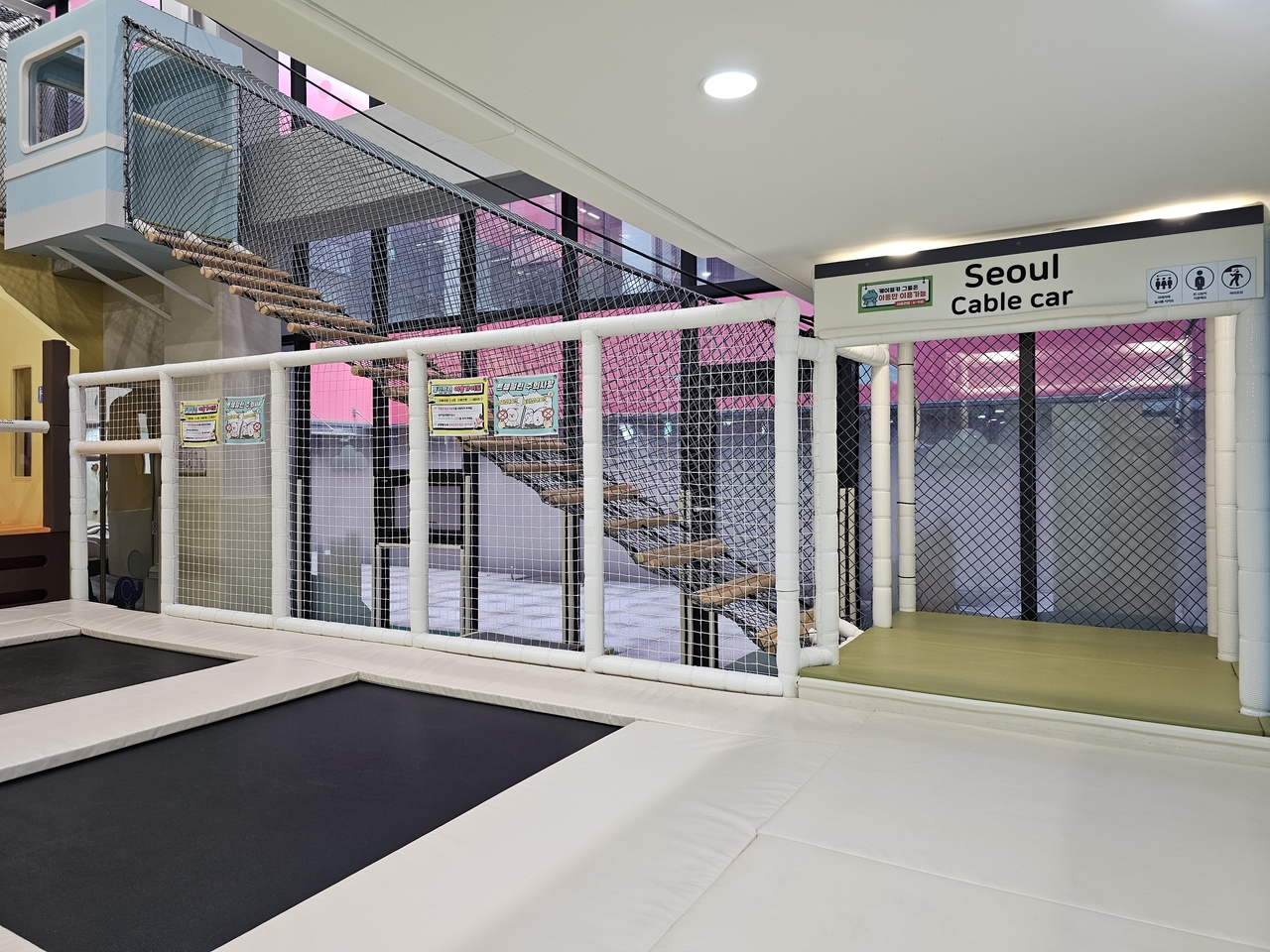
Launched in 2022, the program has expanded quickly. The Seoul Metropolitan Government now operates 11 large-scale centers, while district offices run 106 smaller sites. An additional 62 private facilities are certified under the program. Together, they had drawn nearly 1.45 million family visits as of January.
“City-run centers tend to be larger in scale, with facilities designed to accommodate not only preschoolers but also upper grade elementary students,”said Cho Hye-eun, who heads the Seoul Kids Cafe near Daebang Station, the first city-run facility, where Park and her boys frequent. The center charges 5,000 won, slightly higher than some district-run sites that charge 3,000 won.
Not just an indoor playground, it also operates educational facilities for elementary school children and a toy library where families can borrow toys free of charge. The kids’ cafe alone attracts about 80 families on weekdays and up to 150 on weekends, Cho added.
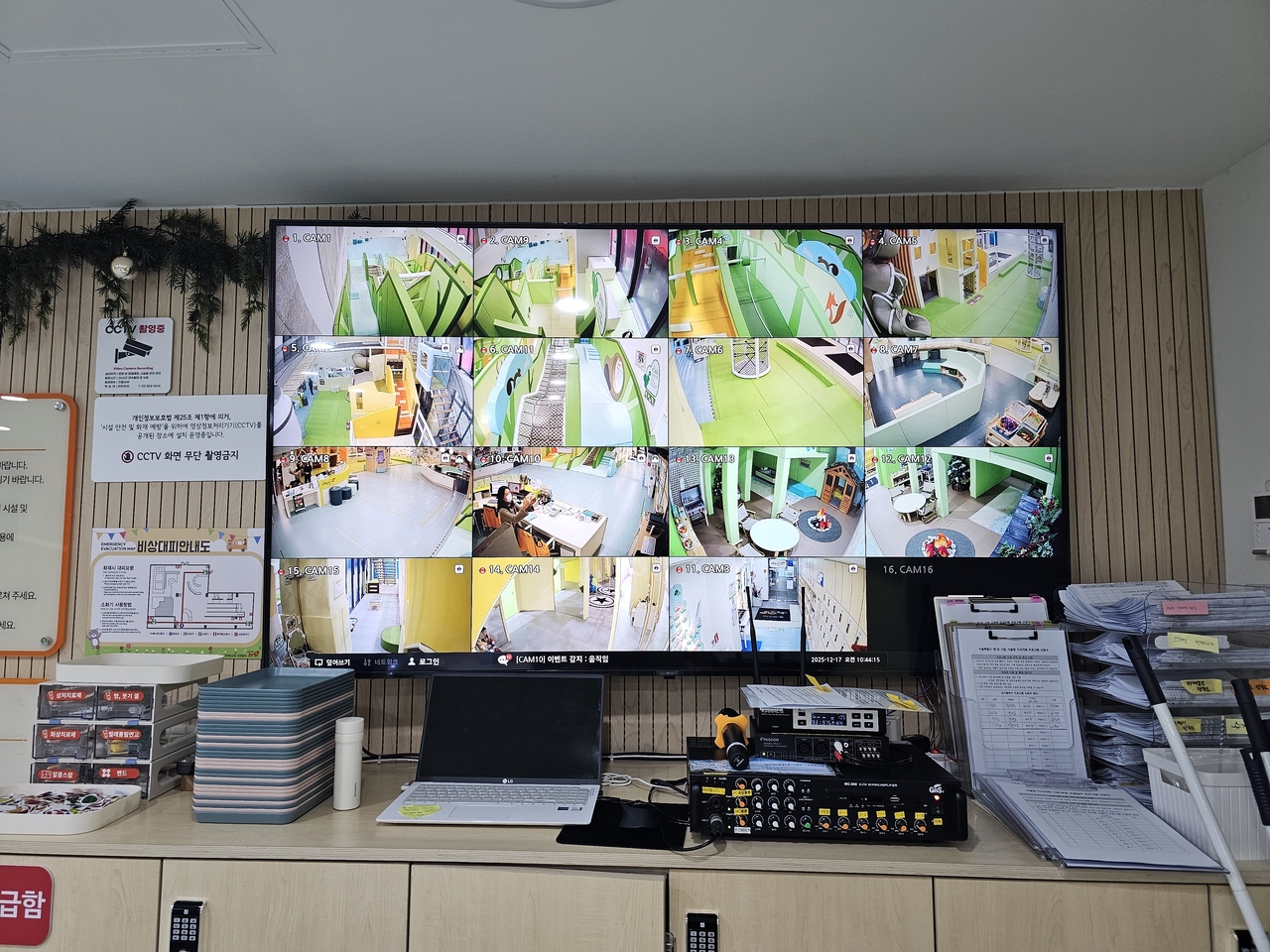
“Affordability is certainly one reason parents come, but it’s not the only factor. Many parents see our kids’ cafes as a safer option. We have trained instructors stationed around the playground to help children use the equipment safely, and the entire space is monitored through CCTV for safety management,” she said.
As multicultural families increase, more centers are introducing multilingual support tools to better serve children from diverse backgrounds, with many families visiting through referrals from day care centers and kindergartens, she continued.
“Kids quickly make friends here. Since many of them live nearby, they keep running into each other. It has gradually evolved into a neighborhood parenting community,” Cho said.
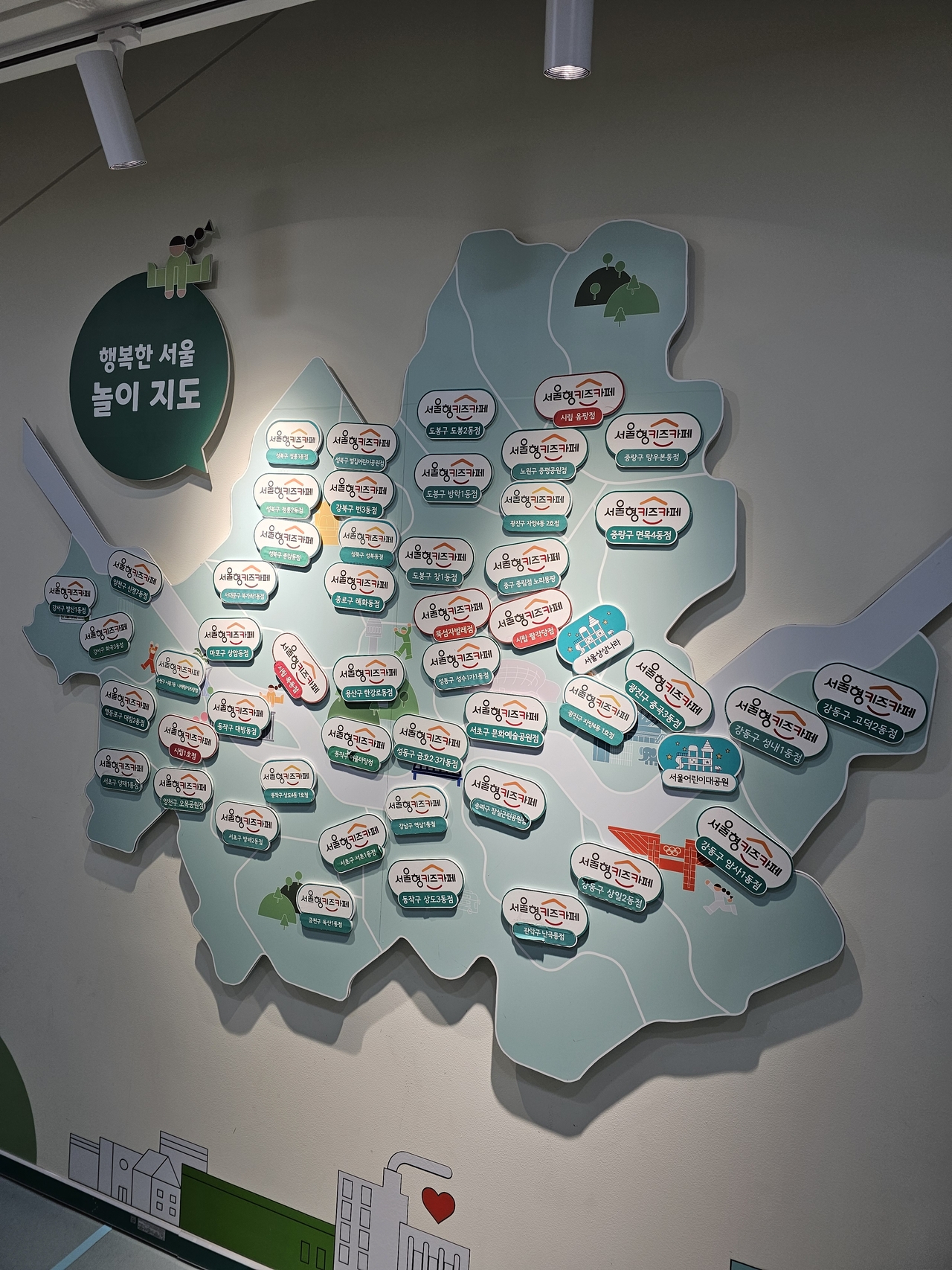
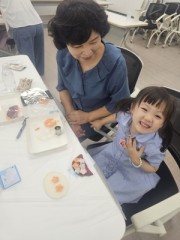
Kim Si-song, a mother in her 20s with a 3-year-old daughter, said she likes to take her children to different centers as there are many to choose from. “Each location features a distinct interior and play equipment, so it’s actually fun to try out different ones.”
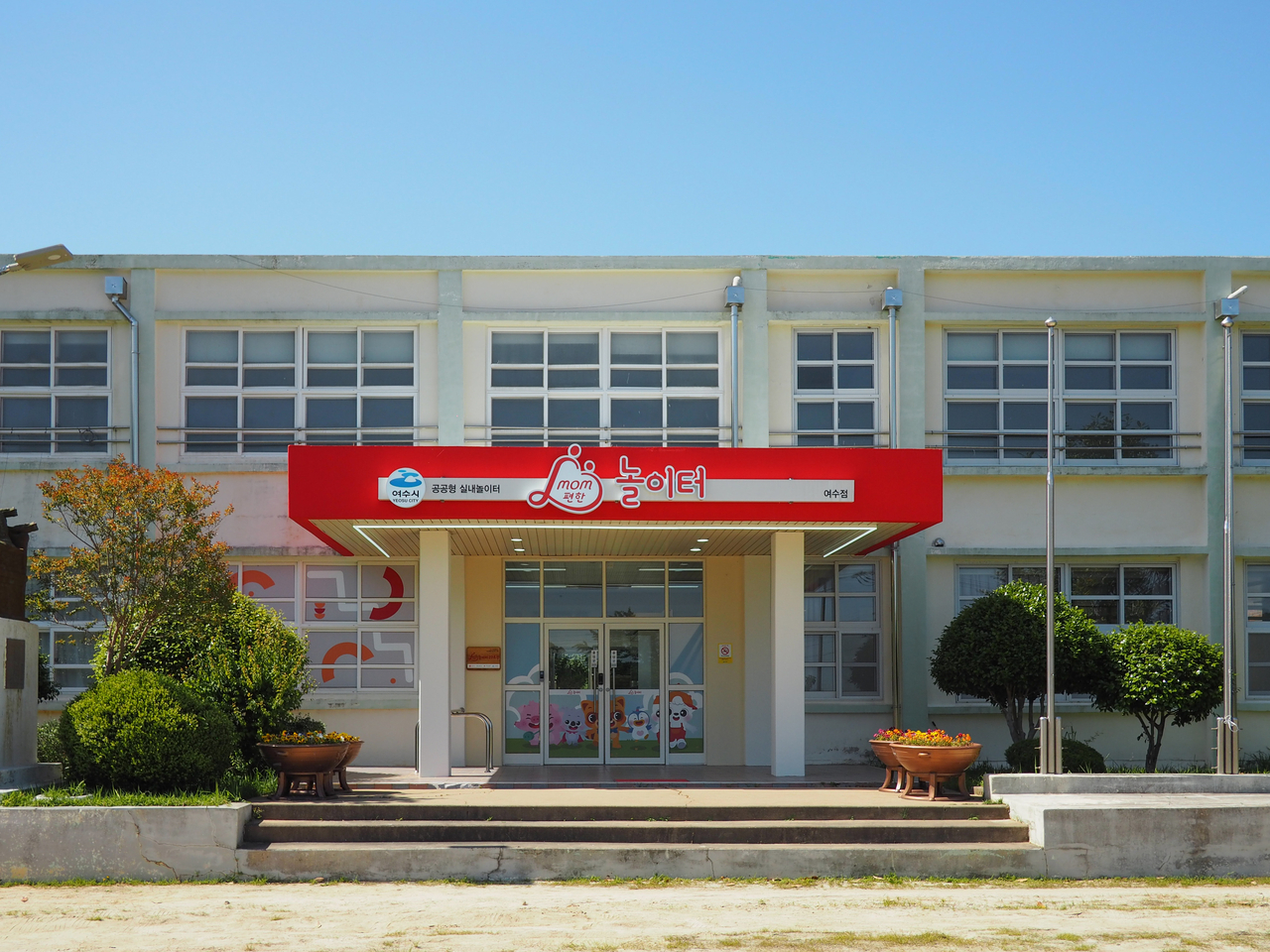
The model is spreading beyond the capital. Cities including Busan, Yeosu and Jeju have opened or announced similar centers as part of broader efforts to ease the burden of child-rearing.
Busan had already opened public kids cafes in Buk-gu and Seo-gu in 2018, and launched another center at Busan Citizens Park on Tuesday. Yeosu in South Jeolla Province repurposed a closed school into a public indoor playground in 2024.
Jeju City also recently opened its first public indoor play center in Ora-dong and plans to add five more across the island by 2029.
As kids' cafes become increasingly franchised and prices continue to rise, calls are growing to expand public alternatives.
According to a survey of 900 adults aged 25 to 54 with preschool or elementary school children, conducted by market research firm Embrain Trend Monitor, 81 percent said admission fees at private kids cafes are too expensive.
“There’s often a big difference in the experiences children can have depending on economic circumstances. If more public kids' cafes are available, they can offer those opportunities to more kids. I think that would definitely help parents in raising their children," Cho said.