'Clean Sri Lanka' drive opens doors for Korean firms in green energy, environmental services and the digital economy
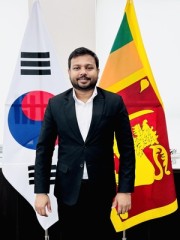
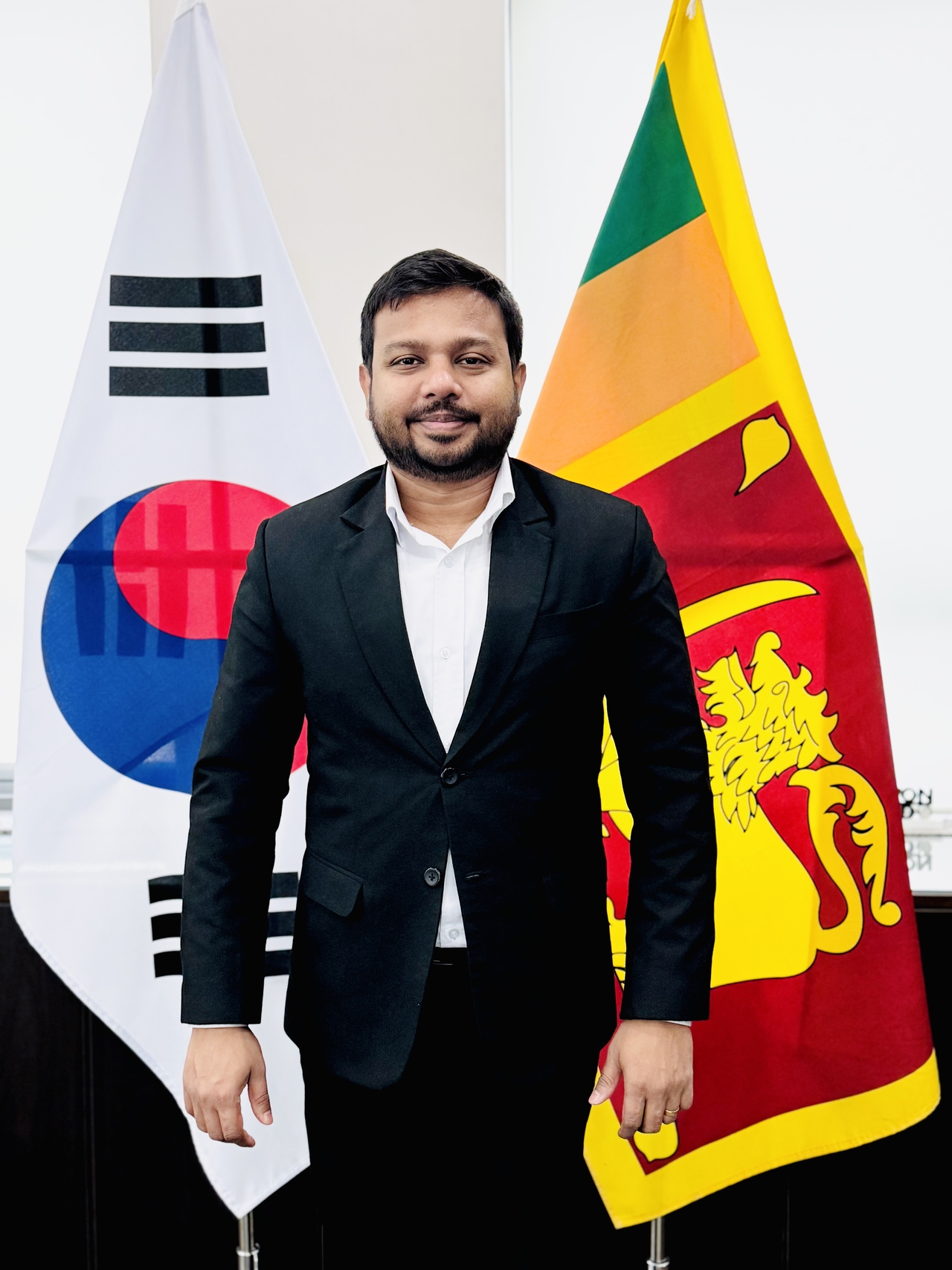
Sri Lanka is seeking to elevate ties with South Korea through capacity-building, investment and labor mobility, Sri Lankan Deputy Minister of Foreign Affairs and Foreign Employment Arun Hemachandra said in an interview with The Korea Herald on Wednesday.
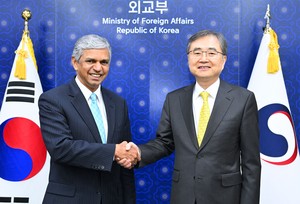
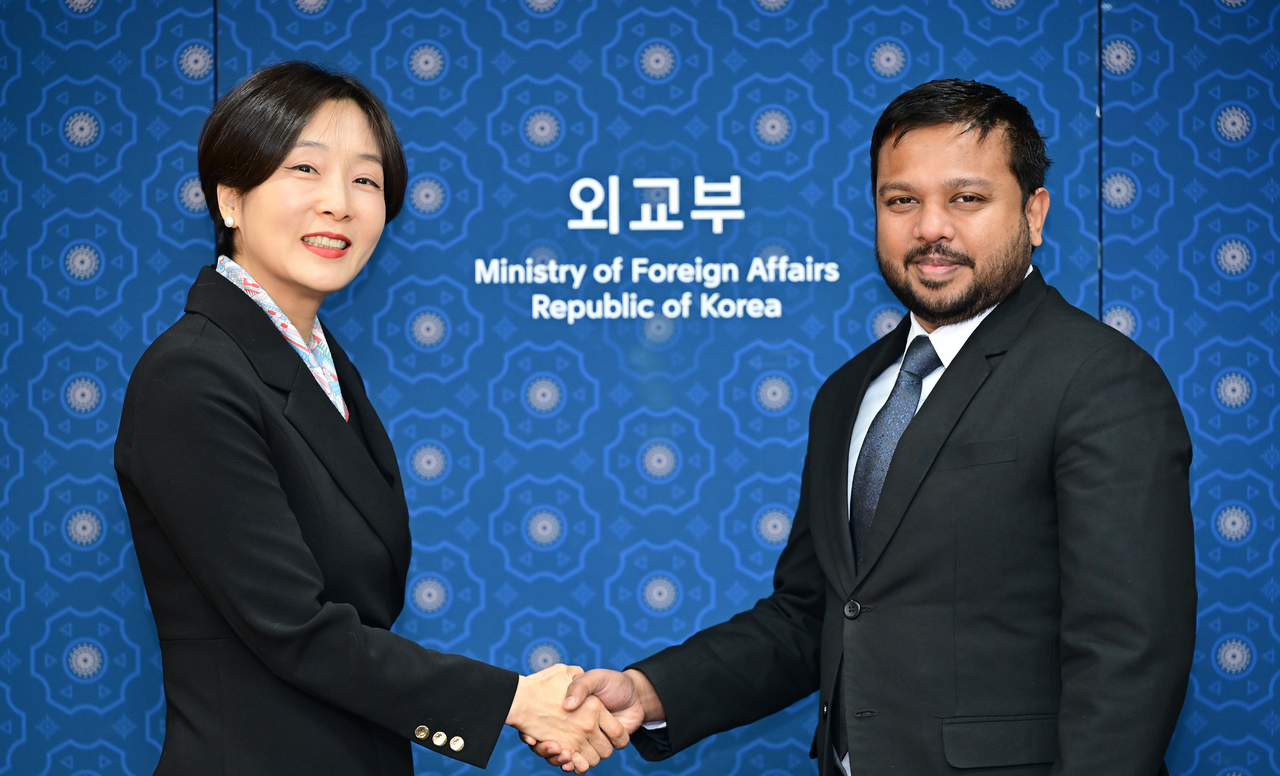
Last week, Hemachandra was in Seoul and Busan, where he met Korea’s Deputy Minister of Foreign Affairs Chung Eui-hae to discuss bilateral economic and labor cooperation ahead of the 50th anniversary of diplomatic relations in 2027.
Separately, he also held business meetings with KBIZ and HRDK officials and HD Hyundai Heavy Industries, highlighting Colombo’s reform agendas, such as the flagship “Clean Sri Lanka” initiative, which presents concrete opportunities for Korean companies.
According to Hemachandra, the initiative is more than an environmental campaign, representing a broader structural transformation to modernize public services, improve governance, and attract quality foreign investment.
“We see South Korea as a key partner in our capacity-building efforts and in advancing technology-driven growth,” the deputy minister told The Korea Herald, inviting Korean investors to explore opportunities in tourism, green energy, waste management, digitalization and minerals.
Asked why now is the right time for deeper Korean engagement with Sri Lanka, Hemachandra pointed to the country’s post-crisis stabilization.
“With fiscal discipline and reforms supported by international programs, economic stability has improved. For investors, predictability and political stability are crucial,” he said.
“Now global supply chains are being restructured, and countries are seeking new partners. This presents an important opportunity for South Korea,” he said.
“Strengthening ties with South Korea is crucial,” Hemachandra said, identifying green energy, the environmental digital economy, mineral resources such as graphite, ilmenite and value-added gemstones, and SME development.
“We are committed to a transparent and corruption-free investment environment,” he said, praising the Sri Lankan government led by President Anura Kumara Dissanayake for maintaining stability and creating a favorable business environment.
Hemachandra praised South Korea’s pragmatic diplomacy and highlighted the strategic importance of closer Asian cooperation in the environment, industry, digitalization, and labor protection amid an unprecedented era of uncertainty.
Labor cooperation and EPS engagement
Also serving as minister in charge of foreign employment, Hemachandra hopes to boost labor cooperation with Korea under the Employment Permit System, or EPS, framework.
Korea introduced the work permit system in 2004 to systematically manage the foreign workforce in Korea and resolve labor shortages at local small and medium-sized companies.
EPS enables Sri Lankan workers to legally work in South Korea for up to 4 years and 10 months in sectors such as manufacturing, construction and fisheries.
“During COVID-19, recruitment slowed significantly. Afterward, numbers increased sharply to fill labor gaps. Now, global economic conditions have influenced demand,” he said, referring to a recent dip in Sri Lankan worker numbers in Korea.
“While any quota increase applies to all participating countries, we aim to ensure full utilization of Sri Lanka’s allocated quota,” Hemachandra told The Korea Herald.
Colombo is prioritizing skilled migration under E-7 and exploring E-8 quotas. “Korea requires highly skilled professionals, particularly in shipbuilding and heavy industry. We are adapting our workforce to meet evolving technological demands,” Hemachandra said, noting that foreign employment contributes over $8 billion annually in official remittances to Sri Lanka, making transparency and worker protection essential.
When asked about brokers and job scammers exploiting workers, Hemachandra urged prospective workers to use only agencies registered with the Sri Lanka Bureau of Foreign Employment.
He highlighted ongoing digitalization, collaboration with international organizations to uphold labor standards, and direct engagement with Korean manpower agencies to reduce intermediaries.
"We have strengthened the Bureau’s special investigation unit and involved the Sri Lanka Police to ensure faster investigations,” Hemachandra said.
sanjaykumar@heraldcorp.com