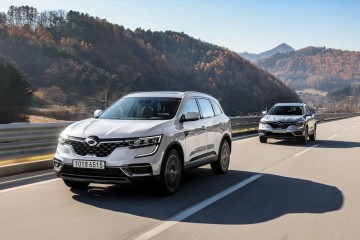
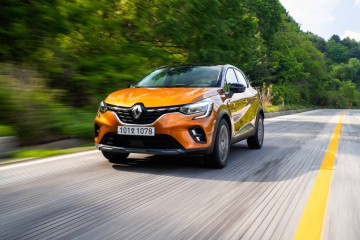
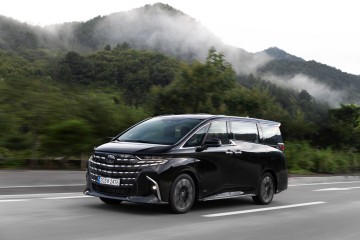
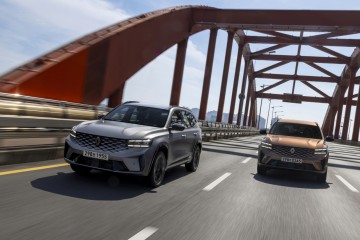
Second Aurora Project model combines bold design with refined hybrid performance
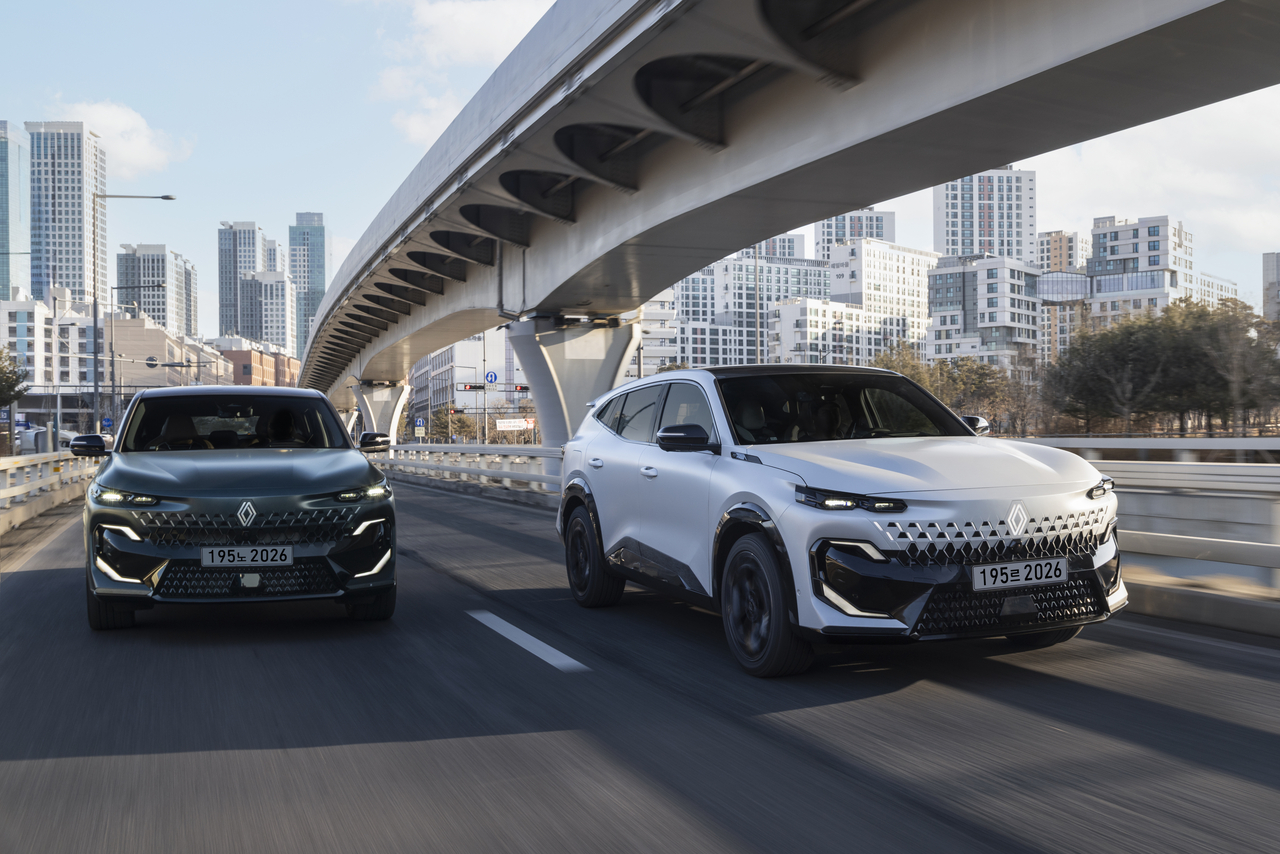
Renault Korea has launched the Filante crossover — the second model in its Aurora Project lineup — aiming to build this year’s sales momentum much like the Grand Koleos SUV did last year.
Developed entirely at Renault Korea’s R&D center in Yongin, Gyeonggi Province, the new hybrid flagship builds on its smaller sibling Grand Koleos’ dynamic performance while adding sedan-like comfort, offering a fresh interpretation of Renault Group’s crossover DNA.
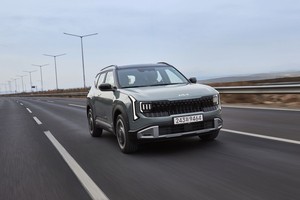
Compared with the Grand Koleos, Filante takes a more unconventional design approach. While it retains the general silhouette of an SUV, its sharply contoured exterior and sportier interior give it a more distinctive character.
During a media briefing Wednesday in Gyeongju, North Gyeongsang Province, officials from the Yongin R&D center acknowledged that even within the company some had worried the crossover might be “too bold” for certain customers. Since its world premiere in Seoul in January, however, the model has drawn positive feedback for its design, with preorders surpassing 7,000 units.
What truly differentiates Filante from the Grand Koleos, however, is its driving refinement.
The crossover features advanced tuning optimized for Renault’s Smart Frequency Damper system, improving stability and ride comfort. The system noticeably reduces minor vibrations at medium to high speeds, delivering a driving feel closer to that of a sedan.
That balance was evident during a recent 140-kilometer media test drive in Gyeongju on city roads, highways and winding mountain routes.
Powered by a 250-horsepower E-Tech hybrid system — 5 horsepower more than the Grand Koleos — Filante remained composed on winding roads with minimal body roll.
Acceleration was also responsive. In Sport mode, the vehicle delivered noticeably sharper throttle response compared with Comfort mode. In AI mode, the system learned the driver’s acceleration patterns over about 10 minutes and automatically suggested the most suitable setting among Eco, Comfort and Sport modes.
Despite its strong hybrid output, the crossover maintained a relatively quiet cabin. Active Noise Cancellation, available across all trims, works alongside improved door sealing and additional sound insulation to enhance ride comfort.
Filante is also the first vehicle in Korea to feature SK Telecom’s AI agent A.Dot Auto, highlighting Renault Korea’s push toward software-defined vehicles. The system enables natural, context-aware voice interactions and can recommend routes or control in-car functions. During the test drive, however, the system occasionally struggled to fully recognize voice commands while driving.
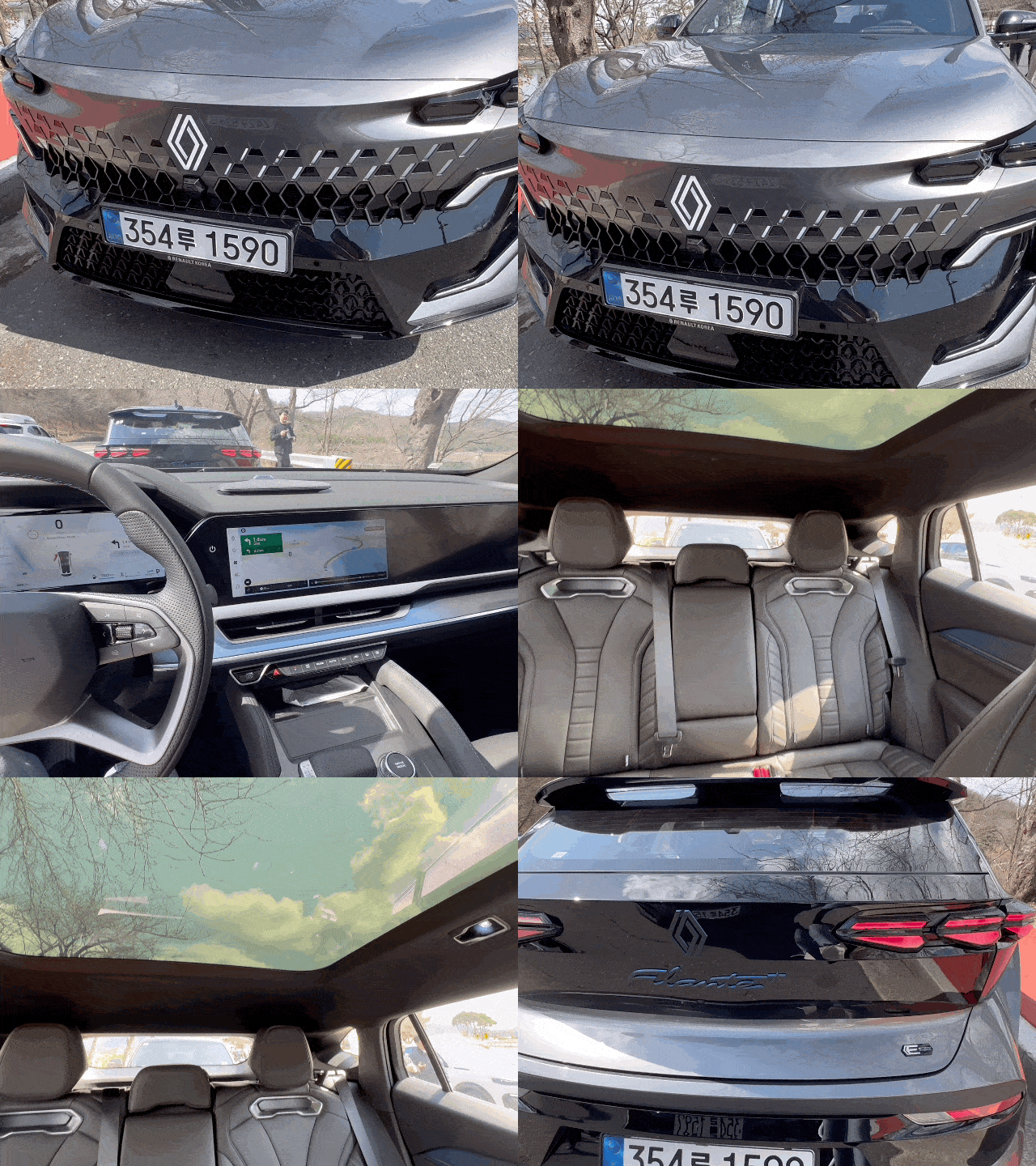
The design emphasizes sleekness. Lighting elements radiate outward from Renault’s diamond-shaped emblem and integrate with sharpened daytime running lights to create a sophisticated front profile. The gently sloping roofline further accentuates the crossover’s streamlined silhouette.
Inside, Renault Korea highlights its “premium tech lounge” concept. Newly developed first-class lounge seats and generous legroom help reduce fatigue on longer drives, while a panoramic glass roof stretching from the front to the second row enhances the sense of openness.
After driving 60.6 kilometers, the vehicle recorded an average fuel economy of 13.2 kilometers per liter. Filante’s official combined fuel efficiency is rated at 15.1 kilometers per liter, suggesting the lower figure may have been influenced by the frequent use of Sport mode during the test drive.
Exclusively offered as a full hybrid, the model starts at 43.32 million won ($29,200) for the Techno trim, including eco-friendly tax benefits, while the top-tier Esprit Alpine trim is priced at 49.72 million won.
hyejin2@heraldcorp.com

![[Test Drive] SsangYong’s New Rexton Sports Khan proves pickups can go smart, too](https://wimg.heraldcorp.com/content/default/2022/01/21/20220121000670_0.jpg?type=h&h=240)