When skills level out, attitude becomes key to promotion
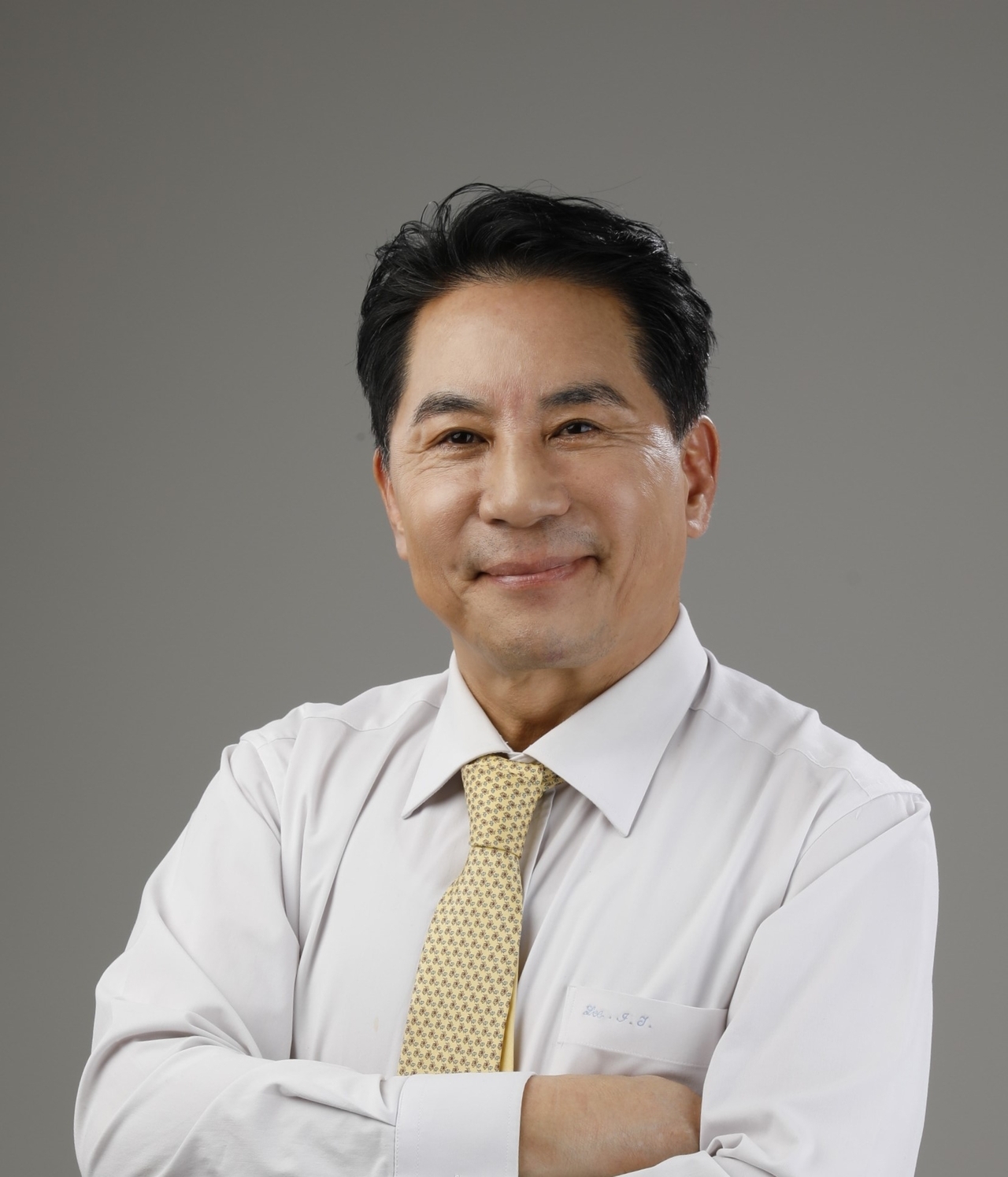
Global interest in Korea has surged in recent years, ranging from its culture to its industries. But beyond what the world sees in K-culture lies something less visible, according to veteran South Korean civil servant Lee In-jae, president of the Korea Social Capital Research Center. He says it's about a way of working, a way of making decisions, a way of enduring.
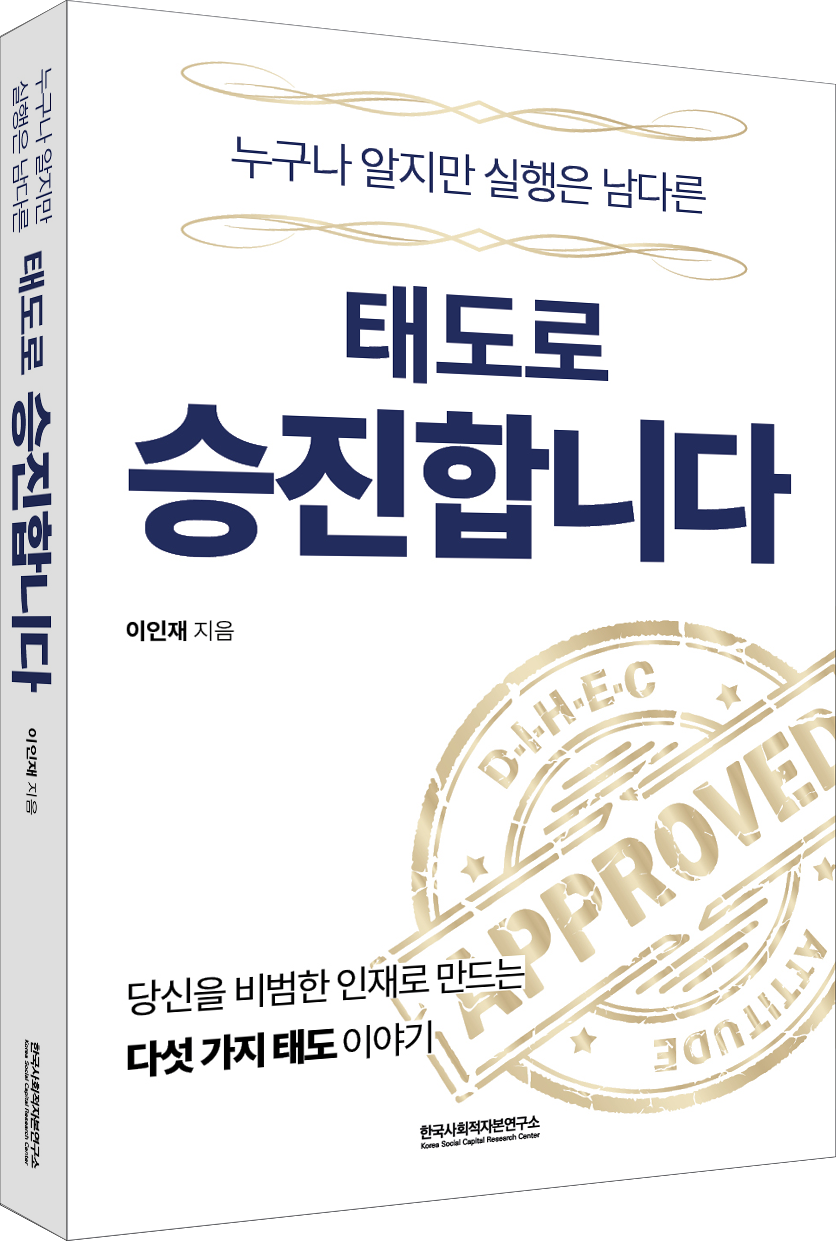
Drawing on 35 years in public service, Lee is set to release "The K-Attitude Advantage: Beyond the Algorithm," a guide to leadership, resilience and professional influence in the modern era.
"Your qualifications show what you’ve done; your attitude shows what you can become," he says. In the book, he pays particular attention to a mindset shaped by urgency, survival and collective responsibility. "In the age of AI, attitude matters more than ability," Lee writes.
He reflects on his younger years with both pride and regret, noting that while he was relentless in pursuing results in high-stakes environments, he sometimes overlooked the human side of leadership. He now understands that intensity toward tasks does not justify hardness toward people, and that attitude shapes not only performance but also relationships, influence and legacy. This insight is one of the driving reasons behind his book.
"This book is not about exporting a formula. It is about sharing reflection." After retiring, Lee posted a short piece on LinkedIn titled “You Get Promoted by Attitude,” which resonated widely. The response inspired him to expand the idea into a full book.
Lee observes that the irony of today’s workplace is that even highly skilled, credentialed professionals often feel blocked by invisible walls. Others seem to move ahead effortlessly, while their own efforts go unnoticed. He wrote the book to address this challenge and offer an edge that most people don’t see.
"Here is what nobody tells you: feedback stops when you need it most. When you are young, mentors correct you. They point out mistakes. They tell you where to improve. But as you gain seniority, that guidance fades. People stop challenging you. Instead, they adapt to you, or worse, they work around you. If you do not cultivate the right attitude in your twenties and thirties, you risk becoming a leader who is skilled but isolated -- powerful, yet not respected."
The decisive factor, Lee writes, is no longer what you know -- it is how you adapt, learn and work with others, human and artificial alike.
The book also draws on Lee’s experience in the field, including designing the Hope Work Project -- a nationwide safety net for those suddenly left without jobs -- bringing a major shipyard to Gunsan to revitalize a struggling coastal city, and leading the removal of long-standing military barbed-wire fences along Korea’s east coast. These measures, he said, balance national security with everyday life, property rights and regional renewal.
Lee said the book is written first for young professionals in Korea, but ultimately for young professionals everywhere. He plans to introduce the book to international audiences through an English edition.
“The tension between ambition and humanity, speed and reflection, performance and respect is not uniquely Korean. It is universal,” he said.
hwangdh@heraldcorp.com