Life&Culture
Survive & Thrive In series
A guide to living in South Korea for those new to the country
#Expat
# Seoul life
Survive & Thrive In series
A guide to living in South Korea for those new to the country
Series preview
Becoming a Korean
TSurvive & Thrive is a weekly series offering a guide to living in South Korea for those born outside of the country. – Ed. According to the latest government data, there are 210,990 naturali
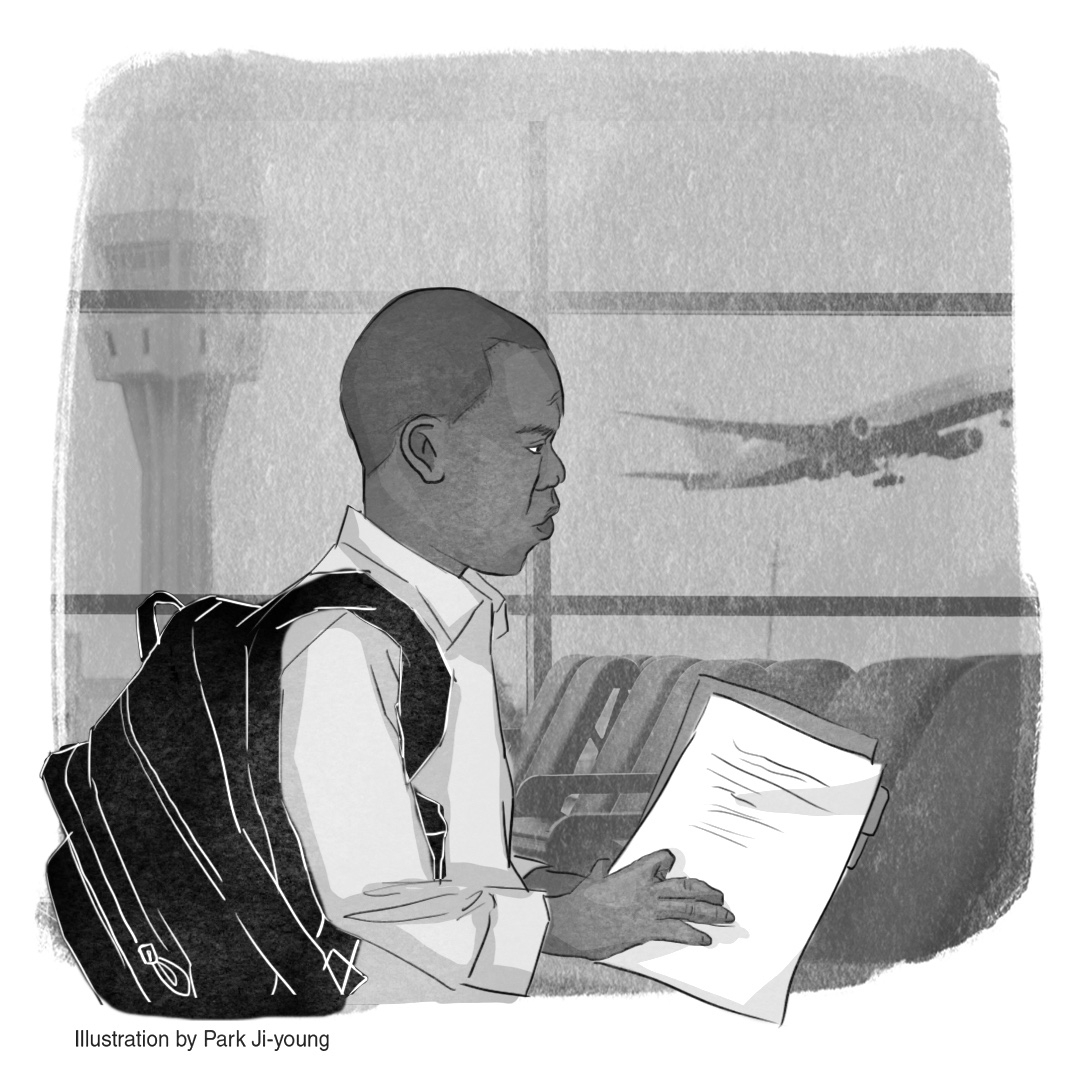
Finding a pharmacy in the middle of the night
There's no telling when you may be coming down with something, and responding to a sudden medical issue is tricky late at night or in the wee hours. If it's serious, the best thing to do is call the 119 emergency services, but sometimes all you need is an aspirin to nurse your headache. Most pharmacies in South Korea close at around 6 p.m. or 8 p.m. on weekdays, and around 1 p.m. or 2 p.m. on Saturdays, with a handful of stores taking turns opening on Sundays. In a bid to fill gaps in the supply
March 9, 2026 - 09:00:00
Health benefits (3) – Hospital services for foreign patients
Many Korean hospitals have staff members fluent in English, but some, particularly university hospital-level institutes, have international health care centers that cater specifically to foreign national patients. These departments cover not only the conventional medical services, but also offer interpretation services along with physicians and staff members dedicated to helping those with international backgrounds. The International Healthcare Center at Seoul National University Hospital, for e
March 7, 2026 - 16:00:00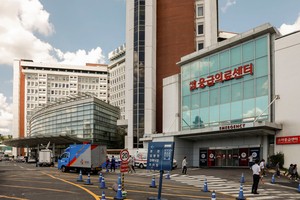
Health benefits (2) – Medical subsidies for non-insured foreigners
While the National Health Insurance program is an essential safeguard for foreign nationals’ long-term stay in South Korea, those not covered can seek other government subsidies. This includes the Ministry of Health and Welfare’s project, implemented since 2005 to subsidize the especially costly essential medical expenses of those who are uninsured, including immigrant workers, refugees and their children. Under the ministry's supervision, regional governments at the city and provincial levels d
March 5, 2026 - 09:00:00
Health benefits (1) – Subscribing to national insurance
Health is one of the most important aspects in life, and can be a particularly crucial issue when you are living in a foreign country. South Korea has one of the most advanced medical systems in the world. The state-run insurance program also means medical services are often more affordable compared with other advanced countries. Many health benefits here are accessible not only to Korean nationals or those with naturalized citizenship, but also to foreign nationals who meet certain criteria. In
March 3, 2026 - 09:24:55
How immigrant women in danger can get help
Living in a foreign country can leave newcomers vulnerable, especially when they lack familiarity with the local language, culture or legal system. Women, in particular, face heightened risks of domestic, sexual and other forms of violence. An October report by the Ministry of Gender Equality and Family showed 35,339 counseling cases involving immigrant women who were victims of a crime in 2024 — a steep rise from 9,613 cases in 2020. The increase suggests more victims are reaching out for help,
Feb. 28, 2026 - 16:00:00
Seeking help after being victimized by crime (2) – Support for crime victims
After you talk to the police, you should seek out other forms of help. Korea's Crime Victim Protection Act specifies types of emergency help and the government's obligation to provide it. But Article 23 stipulates that relief for foreign nationals is applicable only under certain conditions: a cross-guarantee agreement exists with the person's home country, the person has a valid resident visa, is married to a Korean citizen, or is raising a child born out of such a relationship. Under Article 7
Feb. 24, 2026 - 10:57:27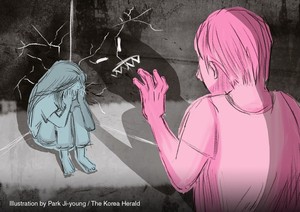
Seeking help after being victimized by crime (1) – Police investigation
South Korea has one of the lowest crime rates among industrialized countries, although it's higher than in the past. Just 0.6 homicides per 100,000 people were reported in 2024, according to the official government tally. But a low crime rate does not mean no crime -- there were 2,118 crimes per 100,000 people in that year. It is prudent to be on alert against victimization, particularly when staying in a foreign country. Police investigation The first step is to call the 112 police hotline or 1
Feb. 17, 2026 - 16:00:00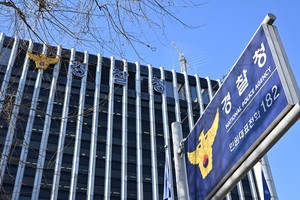
Banking in Korea (2) – Overseas transfers
Foreign nationals in Korea can send funds of up to $50,000 per year via overseas remittance, without submitting documents proving the source of funds. Amounts that exceed this limit, however, must be reported to authorities along with the relevant documents. For specific information on the remittance requiring such documents, head to this page of the Easy Law website, and refer to the section titled "Overseas Remittance Requiring Supporting Documents." For overseas transfers, foreigners must des
Feb. 11, 2026 - 09:00:00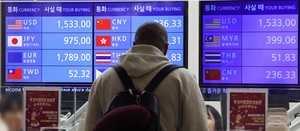
Banking in Korea (1) – Opening an account
South Korea's economy is quickly moving away from cash, which has all but disappeared from everyday transactions. From cashless buses to stores and coffeehouses that only accept card or mobile payments, the shift is becoming hard to miss. A Bank of Korea report in December showed that Koreans used cash for only 17.4 percent of their monthly expenditures last year, down from 21.6 percent in 2021. For foreign nationals staying in the country long-term, opening an account at a local bank can signif
Feb. 9, 2026 - 09:00:00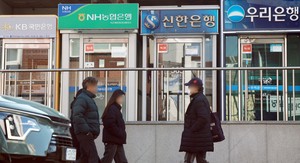
How to work in Korea with student visa (4) - Application process and official information
Foreign nationals staying in South Korea on a student visa must receive authorization from the Justice Ministry to engage in employment. This must be done before starting work, or it could be considered illegal employment, resulting in significant penalties for both the employer and the student. It should be noted that students may change workplaces, but they must report the change in advance. To obtain authorization, students must prepare identification and visa documents, proof of enrollment,
Jan. 31, 2026 - 16:00:00
How to work in Korea with student visa (3) - Jobs that are prohibited
Jobs requiring professional qualifications, typically those associated with E-1 through E-7 working visas, are off limits for students. This includes teaching minors, private tutoring, language instruction programs such as Kumon and other roles that require specialized credentials. Work that normally requires an E-9 visa for nonprofessional employment is also barred, although students with TOPIK level four or above may qualify for limited exceptions. Driving and sales-related work are not permit
Jan. 29, 2026 - 09:00:00
How to work in Korea with student visa (2) - Korean language criteria and work hour limits
Even if they get a work permit, the total hours foreign students are allowed to work varies according to the level of their Korean language skills. To be considered proficient in Korean, freshmen and sophomores must have TOPIK level 3, completion of KIIP level 3 or KIIP pre-evaluation of at least 61 points, or completion of intermediate 1 in at the King Sejong Institute Foundation. For juniors and seniors, the criteria are at least level 4 in TOPIK or KIIP, a KIIP pre-evaluation test score of 81
Jan. 27, 2026 - 11:53:42
How to work in Korea with student visa (1) - Basic rules and eligibility
With about a quarter million foreign students enrolled in Korea as of 2025 and more than 56,000 holding part-time jobs, questions over what international students can legally do to earn a living continue to grow. Korean law permits limited employment for holders of study visas but only under strict conditions aimed at preventing illegal work and ensuring that academic commitments remain the primary purpose of their stay. Study visas in Korea largely cover the D-2 category for university programs
Jan. 24, 2026 - 16:00:06
Navigating Korean funerals: From what to wear to what not to do
When Oh Myung-ah's maternal grandmother passed away on the last day of 2025 at the age of 93, longtime family friends traveled from Seoul to Incheon, about an hour's drive, to offer condolences to the bereaved. "Many of them didn't even know my grandmother. But they simply came to see us and offer their condolences. After greeting us, they left the funeral hall in about 30 minutes," Oh, a 40-year-old housewife, told The Korea Herald. The three-day funeral period also became a reunion that brough
Jan. 20, 2026 - 09:47:11
Tips on moving (4) - Custom clearance for those moving to Korea
Foreign nationals moving from another country to South Korea can get a tax exemption for some household items that they have used for at least three months prior. Different standards are applied to persons moving to Korea (defined as those seeking to reside in South Korea for at least a year, or at least six months with family) and short-term residents (those staying here for between three months and under a year, or between three months and under six months with family). But some items are subj
Jan. 17, 2026 - 16:00:00