Wave of lawsuits follows top court ruling that Samsung’s regular bonuses must be included in calculations of payouts when workers leave the company
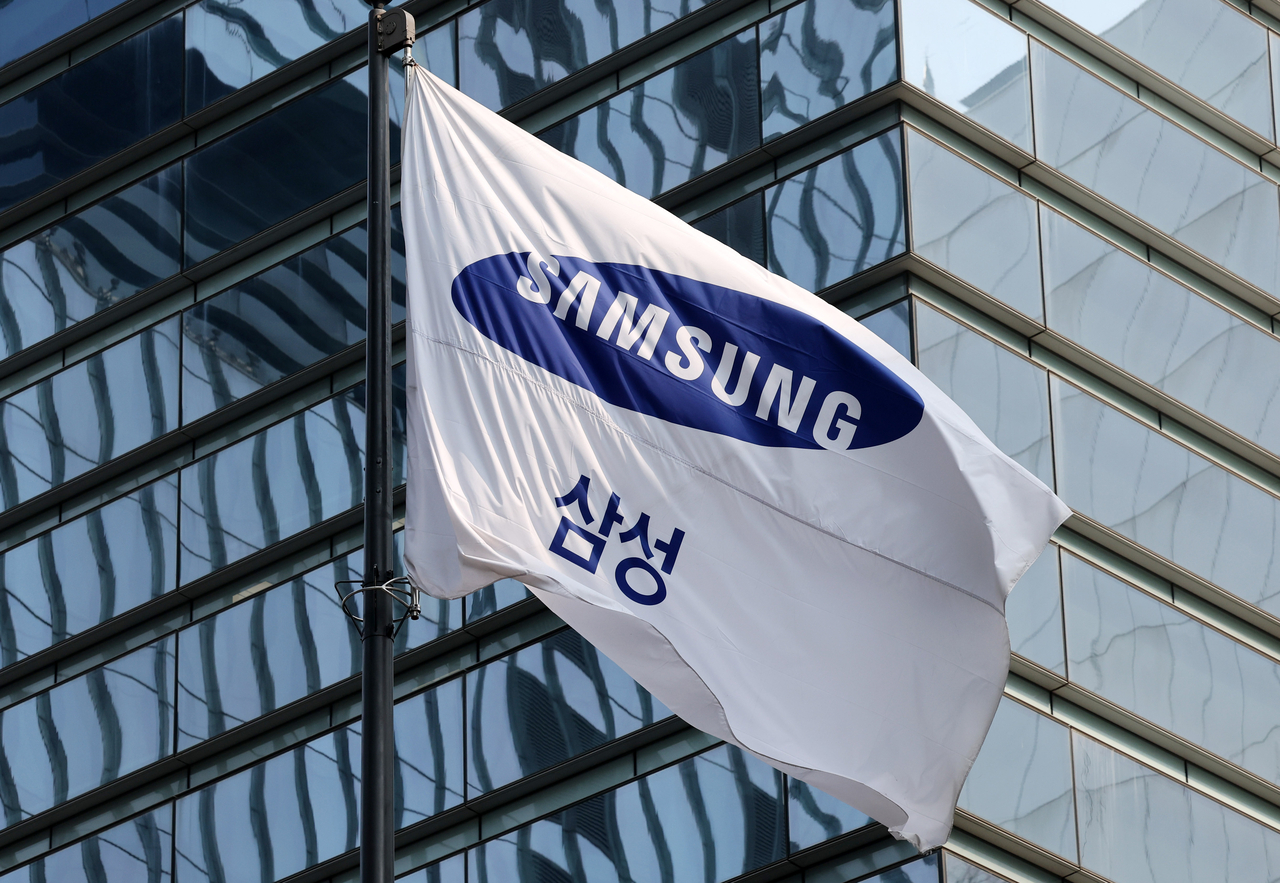
South Korea’s top court ruling that a key performance bonus at Samsung Electronics should be included in severance pay calculations is triggering a wave of lawsuits not only against the tech giant but also across other Samsung affiliates.
According to law firm APro on Friday, 38 additional former Samsung Electronics employees filed a lawsuit Thursday seeking recalculation of severance pay and unpaid compensation. The case was submitted to the Seoul Central District Court.
The new filing adds to earlier group lawsuits brought by 126 former employees, bringing the total number of plaintiffs in cases against Samsung Electronics to 164.
The dispute is also spreading to other affiliates. On the same day, 13 former employees of Samsung Electronics Service filed a similar lawsuit with the Seoul Eastern District Court. Former workers from other Samsung units — including Samsung SDS, Samsung C&T, Samsung E&A and Samsung Biologics — have also indicated plans to join the litigation.
Legal experts say the dispute is spreading because many Samsung affiliates operate similar incentive structures.
The controversy stems from a Jan. 29 ruling by the Supreme Court of Korea, which determined that Samsung Electronics’ target achievement incentive (TAI), a performance-based bonus tied to divisional results, qualified as wages and must therefore be included in the calculation of average wages used to determine severance pay.
Korean workers who have worked for at least one year at a company are entitled to severance pay equal to one month's wages for every year they worked.
The court found that Samsung’s TAI had the characteristics of regular wages because it was paid repeatedly according to a predetermined formula.
However, the ruling does not automatically apply to all performance bonuses. In some companies — such as SK hynix and Hanwha Ocean — bonuses depend more heavily on management discretion and companywide performance, making it less likely that the court would ciew them as wages.
Legal analysts say the decision could prompt similar lawsuits at other companies that operate comparable incentive systems, potentially expanding the dispute beyond the Samsung group.
By Herald Business reporter Kim Yong-hoon (fact0514@heraldcorp.com)
Edited by Korea Herald Business Desk Editor Lee Ji-oon (jylee@heraldcorp.com)
The original Korean version of this story is available at:
![[단독]삼성전자 넘어 SDS·물산까지…삼성그룹 ‘성과급 퇴직금’ 소송 도미노](jpg/news-p.v1.20250219.4446e0469f784906a60f77d95ce4b5c3_t1.jpg)
jylee@heraldcorp.com